
Product Portfolio
For more than 80 years, Lenzing has been developing product solutions that significantly advance the textile and nonwovens industries. Decades of expertise across the three fiber generations – viscose, modal and lyocell – have made Lenzing an innovation leader. Lenzing played a crucial role in the development and commercialization of both modal and lyocell fibers. Today, our cellulose-based products are produced using innovative processes with maximum resource efficiency. Recognized as premium products on the world market, they deliver verified added value for our partners through their sustainability performance.
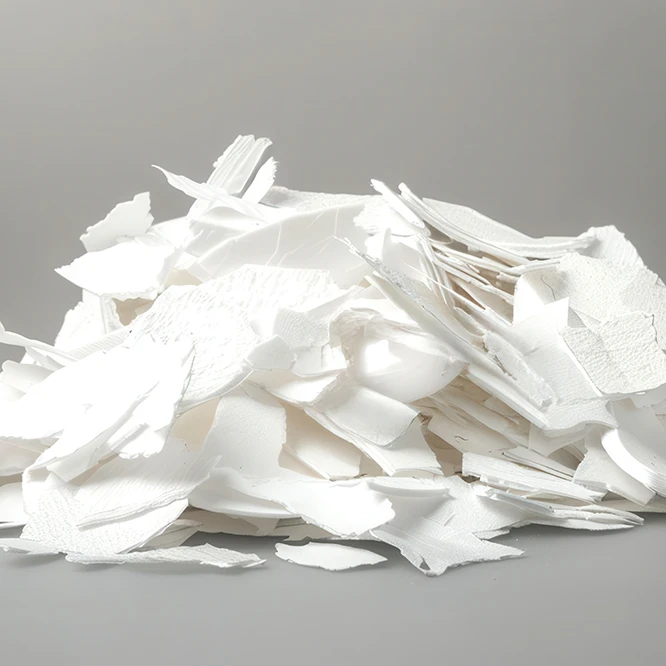
Dissolving wood pulp
Lenzing transforms certified and controlled wood into high-quality dissolving wood pulp. As one of the only producers worldwide we offer both softwood and hardwood pulp. The wood is processed using a totally chlorine-free (TCF) bleaching method. This combination of sustainable sourcing and advanced processing makes pulp from Lenzing the ideal solution for demanding fiber production and applications.
Lyocell fibers
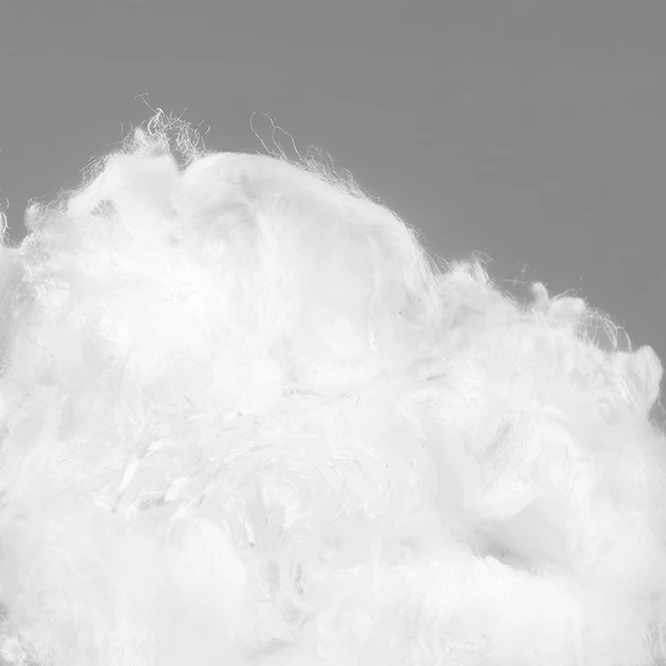
The Lenzing Group is a global leader in the production of lyocell fibers. The fiber production itself is particularly environmentally responsible thanks to a closed-loop production cycle. More than 99 percent of the solvent used is recovered and recycled. Products made out of lyocell fibers from Lenzing are more absorbent than cotton, softer than silk and cooler than linen. They are used in sportswear, home textiles, denim fabrics and hygiene products such as wet wipes and baby wipes.
Modal fibers
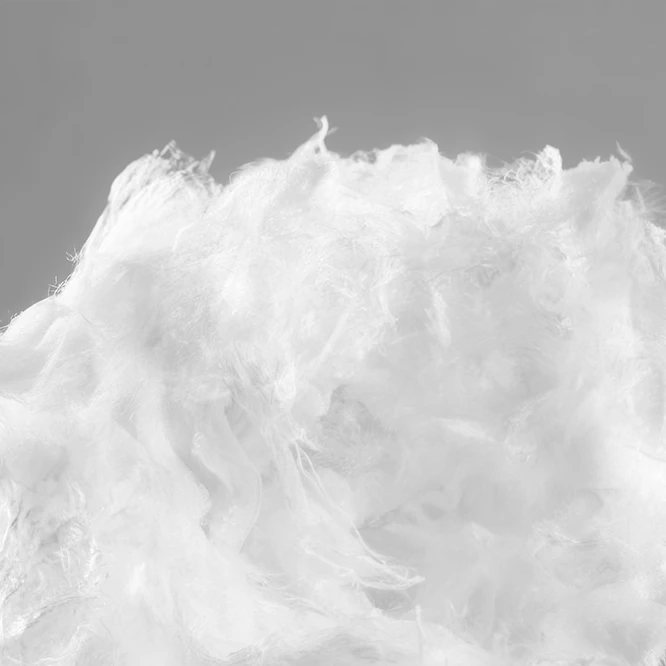
Thanks to their cross-section and tenacity, modal fibers produce exceptionally soft fabrics that withstand repeated washing and drying cycles. The softer the fiber, the finer the resulting textiles. Modal fibers are also well suited to creating bright and rich colors in fabrics. In addition, they can be blended with all types of fibers and processed using all conventional machinery. Their easy processing and mercerizability make modal fibers true all-rounders among cellulose fibers. Lenzing modal fibers are primarily used in textile applications.
Viscose fibers
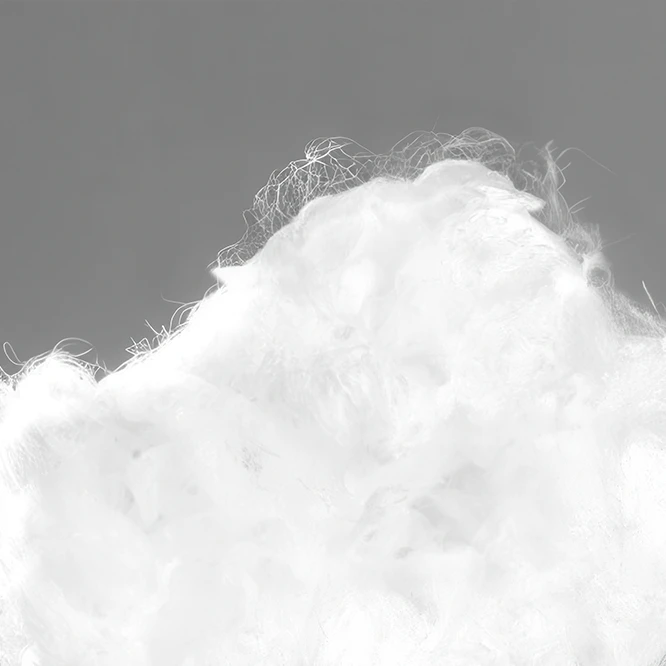
Viscose fibers from the Lenzing Group stand out from standard viscose thanks to their particularly sustainable production method.1 They offer excellent moisture absorption and a pleasant feel on the skin. In the apparel sector, Lenzing viscose scores highly as a fiber in fashionable fabrics, while in hygiene applications, cleanliness and absorbency are paramount, such as in wipes, tampons and wound pads.
Lyocell filament
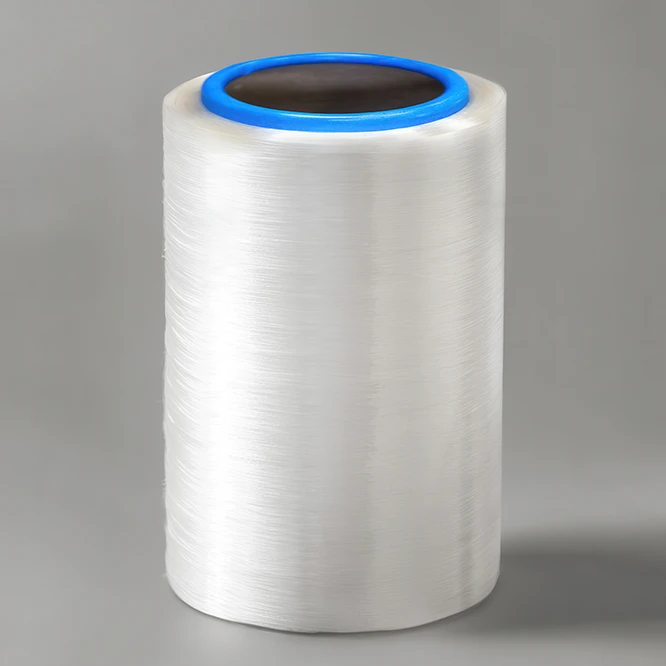
Lyocell filament yarns represent a quantum leap in wood-based cellulose fiber technology. They are based on the resource-efficient closed-loop lyocell process, applied to filaments. Unlike staple fibers, which must be spun into yarn, multiple continuous filaments are processed directly into ready-to-use filament yarn. The result is a smooth, uniform and sustainable filament yarn offering the same tenacity and comfort benefits as lyocell fibers. Lyocell filament yarn can, among other applications, serve as a substitute for silk yarn.
LENZING™ Nonwoven Fabric
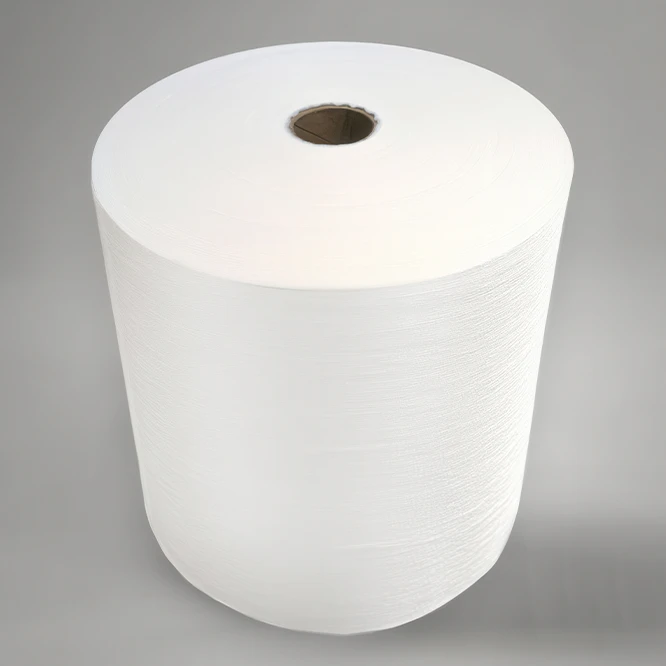
LENZING™ Nonwoven Fabric is an entirely cellulose-based material produced using the patented LENZING™ Nonwoven Technology. This unique process spins continuous cellulose filaments that are directly formed into a nonwoven web while wet. The combination of natural filament bonding and additional hydroentanglement enables material production without surface treatments or binders, eliminating downstream processing steps. LENZING™ Nonwoven Fabric is characterized by homogeneous filament distribution and high dimensional stability.
Biorefinery and co-products
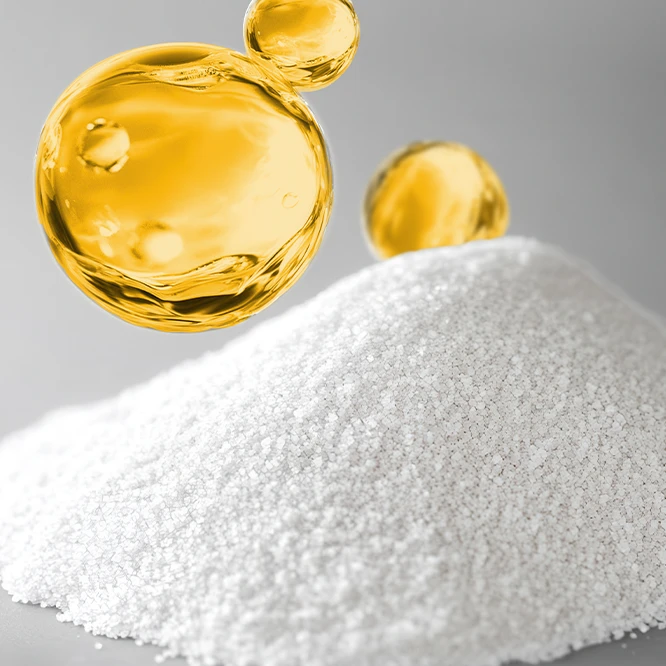
Lenzing stands for efficient, circular and holistic processing of all raw materials used. Wood components that cannot be processed into pulp or cellulose fibers, as well as by-products from fiber production, are converted into valuable new products in our biorefineries. These include biobased acetic acid, biobased furfural, soda and sodium sulfate, which are marketed externally.
1Viscose fibers from Lenzing are made with at least 50% less carbon emissions and water consumption compared to generic viscose. Results based on LCA standards (ISO 14040/44) and available via Higg MSCI (version 3.91)