In 2025, we achieved milestones that created sustainable added value for us, our partners, and the planet, while also driving transformation and progress. Lead Transformation – Generate Impact is reflected in our highlight stories – from innovative new products to decarbonization and biodiversity to impactful collaborations along the value chain.
Perfectly imperfect
generate impact
TENCEL™ Lyocell – HV100 is Lenzing’s latest innovation in textile fibers. This unique fiber posed a paradoxical challenge...
Champion of sustainability
Lead Transformation
In 2025, the Lenzing Group once again confirmed and expanded its role as a global sustainability leader with top ratings and awards. Sustainability is a strategic...
Investment in tampon business
generate impact
Lenzing has decided to invest EUR 15 million in expanding production capacity for nonwoven fibers at its site in Lenzing (Austria). This capacity expansion...
Performance program is delivering
Lead Transformation
In 2025, the Performance Program was successfully continued with the overarching goal of enhancing long-term resilience to crises and creating greater agility...
Sustainable surface cleaning
generate impact
Lenzing has introduced the next generation of VEOCEL™ Lyocell fibers for Enhanced Cleaning (EC) – an innovation that supports the further development...
Pilot project with adidas: recycled sweater
Lead Transformation
At Lenzing, innovation is more than just a goal – it is our path forward. In our effort to change the textile industry for the better, we are constantly looking...
Renewable energy for climate neutrality
generate impact
In line with the Paris Agreement (1.5 °C target) and UN SDG 13 on climate action, the Lenzing Group has set ambitious, science-based targets (SBTs) to reduce...
Twice as clean
Lead Transformation
The patented LENZING™ Nonwoven Technology produces lyocell filaments that are processed directly into nonwoven material during production. The combination of...
One platform. Numerous possibilities.
generate impact
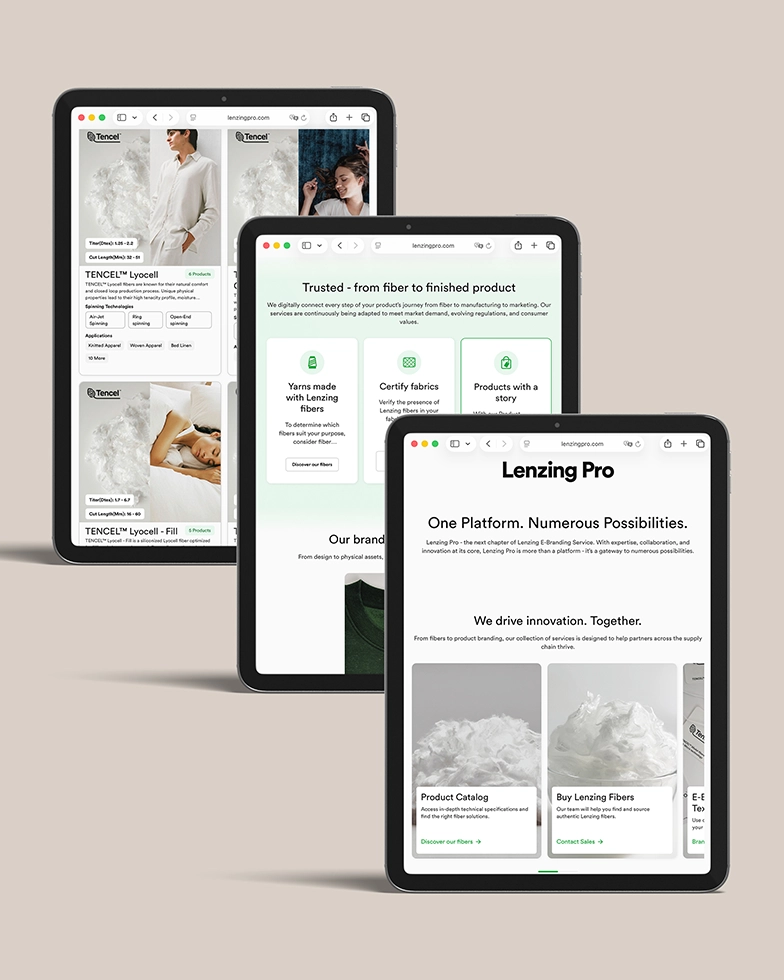
Lenzing Pro is the new high-performance digital platform for our partners. This online hub brings everything together in one place – from fiber data and certifications...
Innovation – made in Europe
Lead Transformation
Lenzing is a participant in the EU-funded Horizon Europe project CELLFIL, which was launched in mid-2024 and is planned to run for four years...
Carefree x VEOCEL™ in North America
generate impact
Lenzing and Edgewell, the company behind well-known brands such as Carefree, have launched sanitary pads made with Lenzing’s VEOCEL™ Lyocell fibers...
From round to flat
Lead Transformation
To produce particularly thin fibers for specialty applications, a Lenzing research team developed lyocell fibers with a flat rather than round cross-section...
Comfort inside out
generate impact
Lenzing fibers are not only suitable for producing yarns and, subsequently, fabrics for textiles, but also for so-called filling applications. The LENZING™ Lyocell Fill product...
Award-winning research
Lead Transformation
This year, the Lenzing Group was nominated among the top three for the Austrian State Prize Patent in the special category “Matilda” – as the only company...
Biodiversity in Brazil
generate impact
Lenzing’s joint venture LD Celulose not only operates a dissolving wood pulp mill in Brazil but also manages eucalyptus plantations to supply the mill with sustainably harvested wood...
New Product
Perfectly imperfect
generate impact
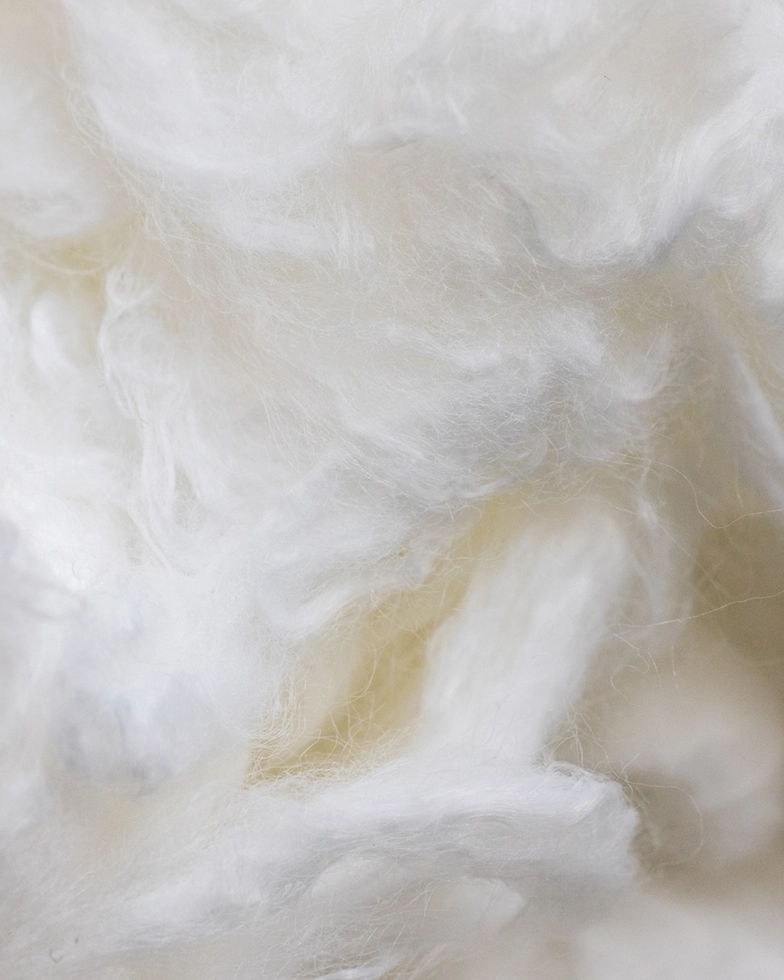
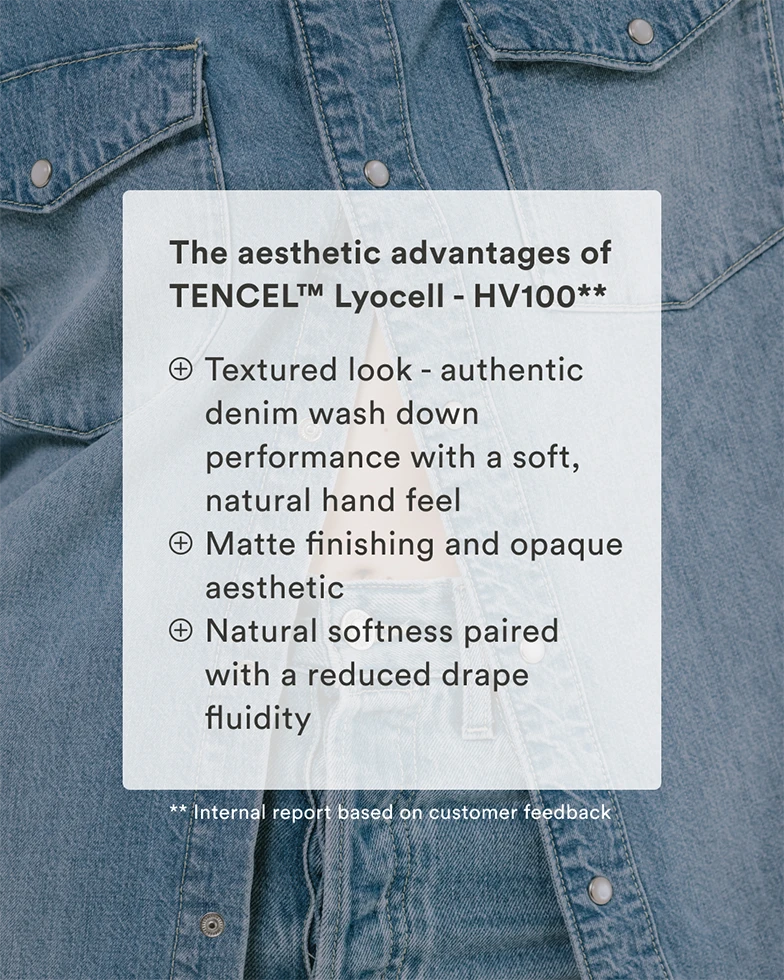
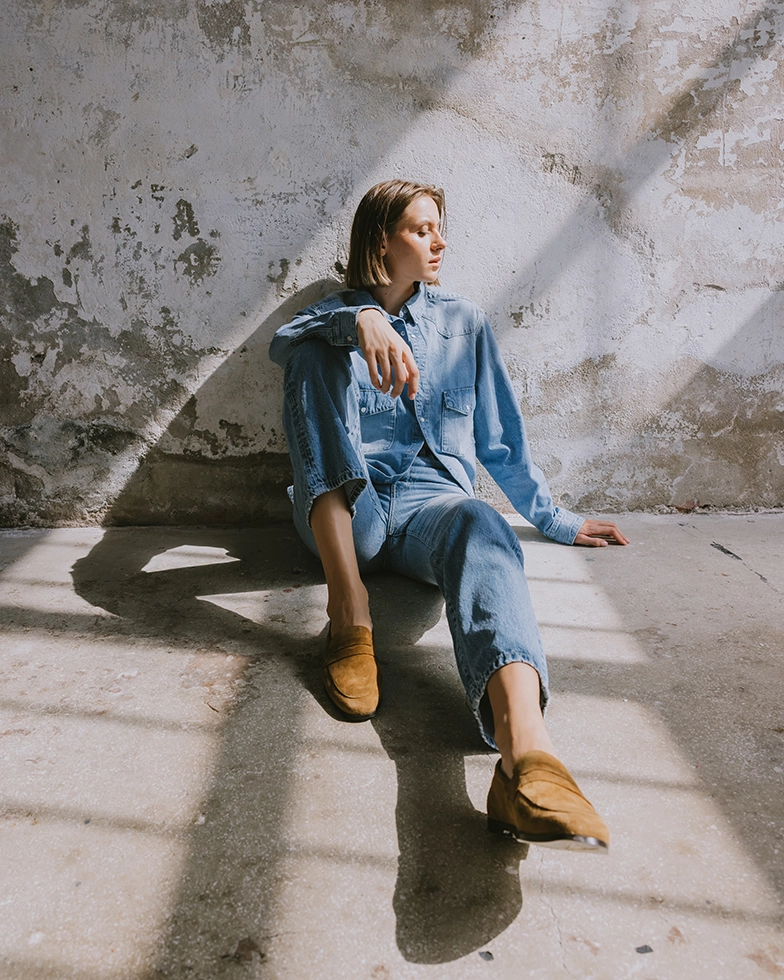
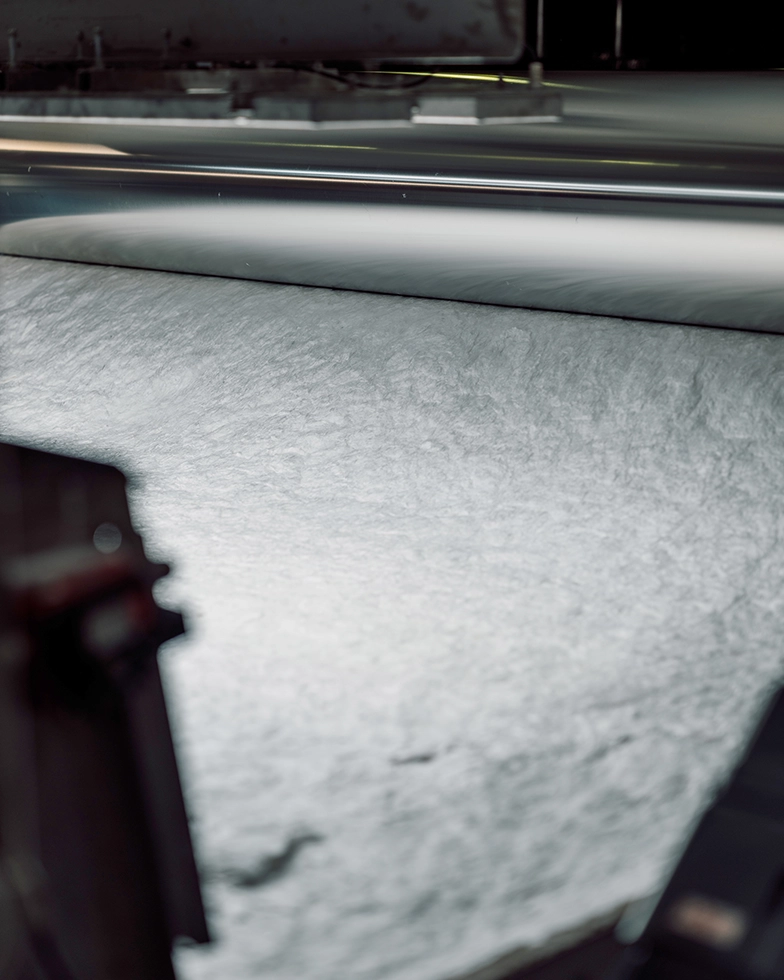
TENCEL™ Lyocell – HV100 is Lenzing’s latest innovation in textile fibers. This unique fiber posed a paradoxical challenge: how do you create an imperfection that looks natural?
This is where Variocut technology comes into play, creating variable fiber lengths and introducing subtle irregularities that mimic the authentic texture of natural fibers. These new lyocell fibers are still soft, but more matte, opening up new possibilities for warp yarns traditionally dominated by cotton. These warp yarns are often used in denim fabrics. Beyond denim, developments in apparel and home textiles are to follow in 2026. Tests have shown that the texture can be further refined by blending with standard TENCEL™ Lyocell or cotton, offering even greater versatility.
HV100 stands not only for design, but also for responsibility. Not only is it produced in a closed-loop process, but it is also biodegradable and compostable. This fiber is our answer to the growing demand for natural looks and sustainable materials, thereby helping our partners succeed in a dynamic market while achieving environmental goals such as resource efficiency.
Sustainability
Champion of sustainability
Lead Transformation
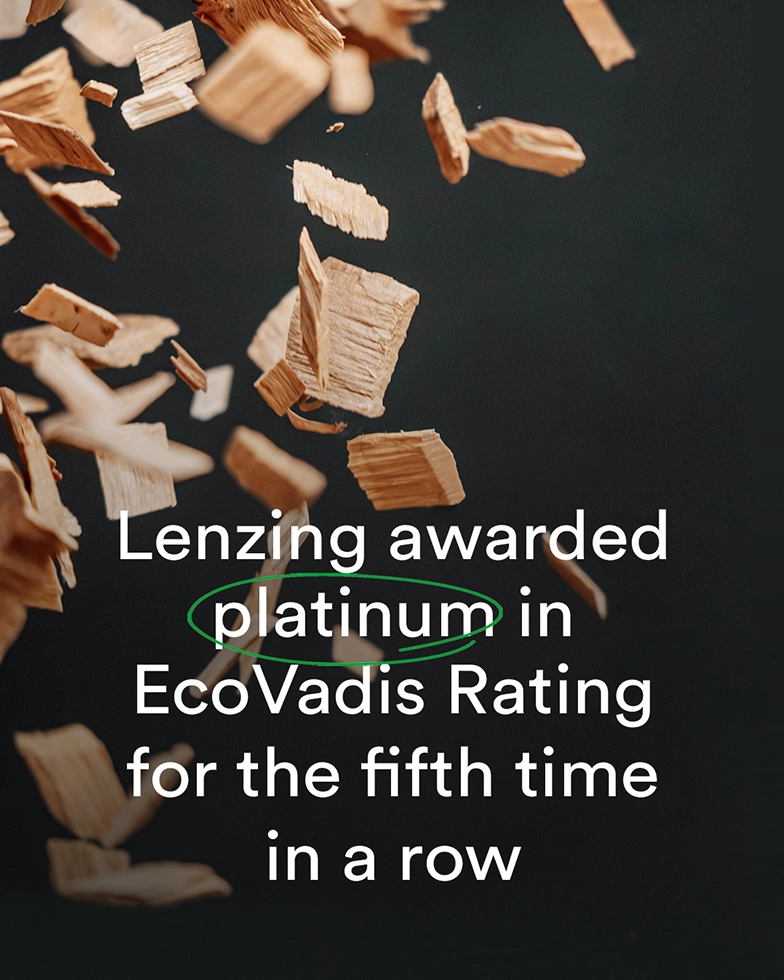
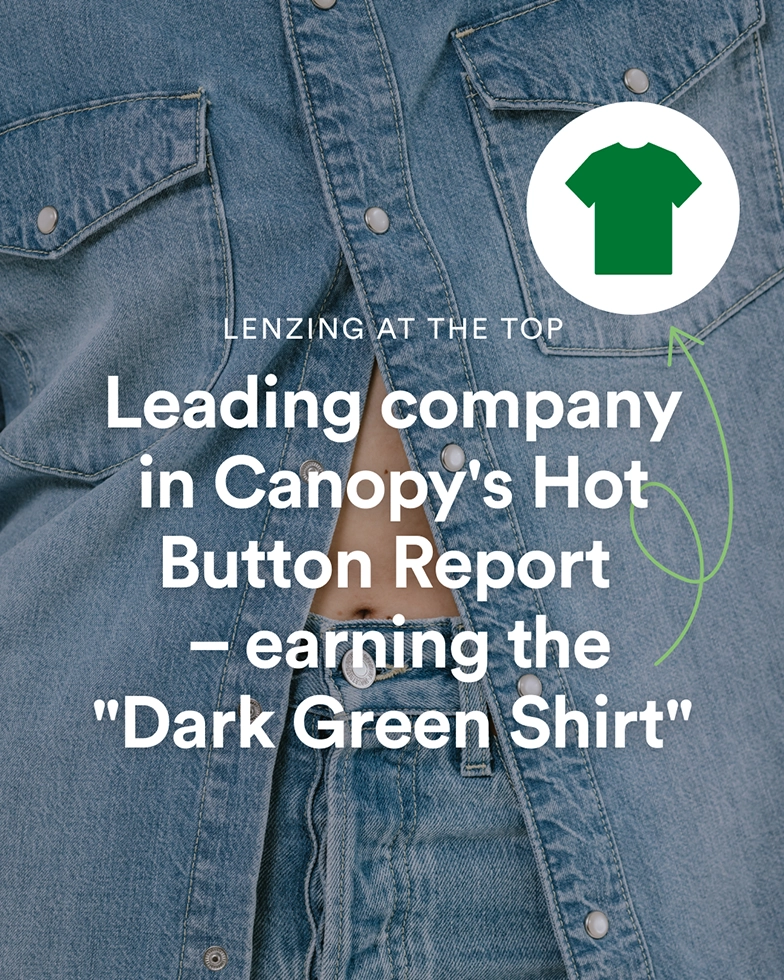
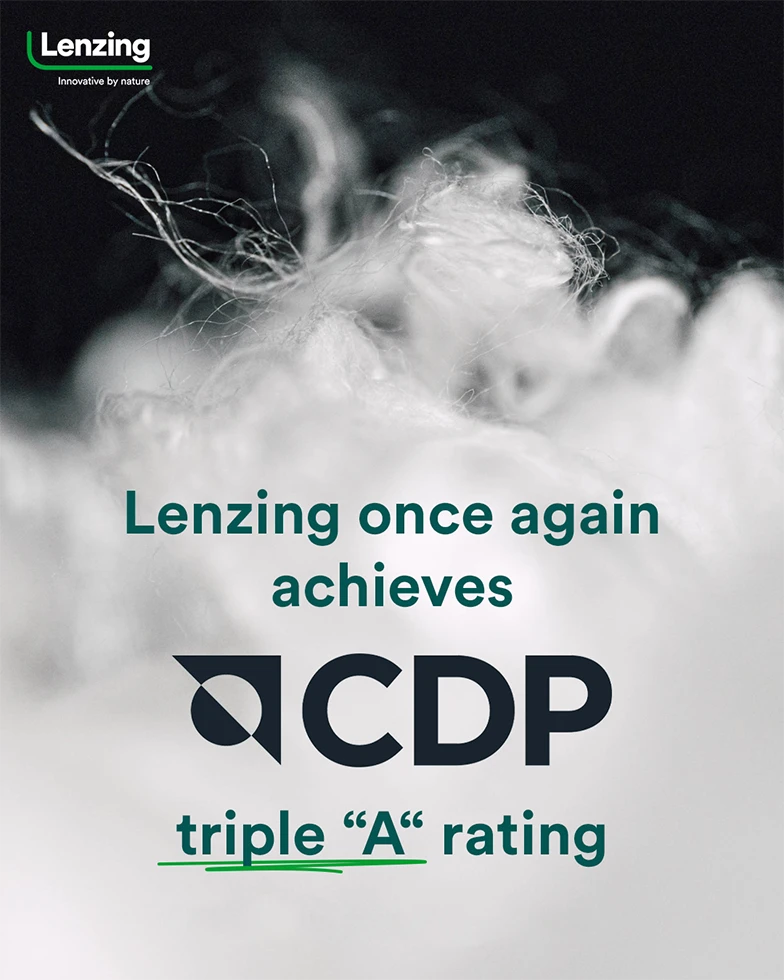
In 2025, the Lenzing Group once again confirmed and expanded its role as a global sustainability leader with top ratings and awards. Sustainability is a strategic and measurable lever for Lenzing as well as for its partners and society. These outstanding ratings and awards not only reflect the consistent implementation of Lenzing’s ESG strategy, but also strengthen its international visibility in a market environment increasingly shaped by sustainability criteria. Achievements in 2025 included:
Platinum status from EcoVadis for the fifth consecutive time, placing Lenzing among the top one percent of all companies assessed worldwide.
First place in Canopy’s Hot Button Report: Lenzing once again ranks among the most sustainable companies in the sector of regenerated cellulose fibers production.
Triple A rating from CDP for Climate Change, Water Security and Forests. In 2025, only 23 companies out of >20,000 assessed organizations received a Triple A rating.
Low risk status and “2026 ESG Leader” from the ESG risk rating Sustainalytics.
Lenzing thereby continues to set the benchmark for sustainability in the fiber and pulp industry.
Investment
Investment in tampon business
generate impact
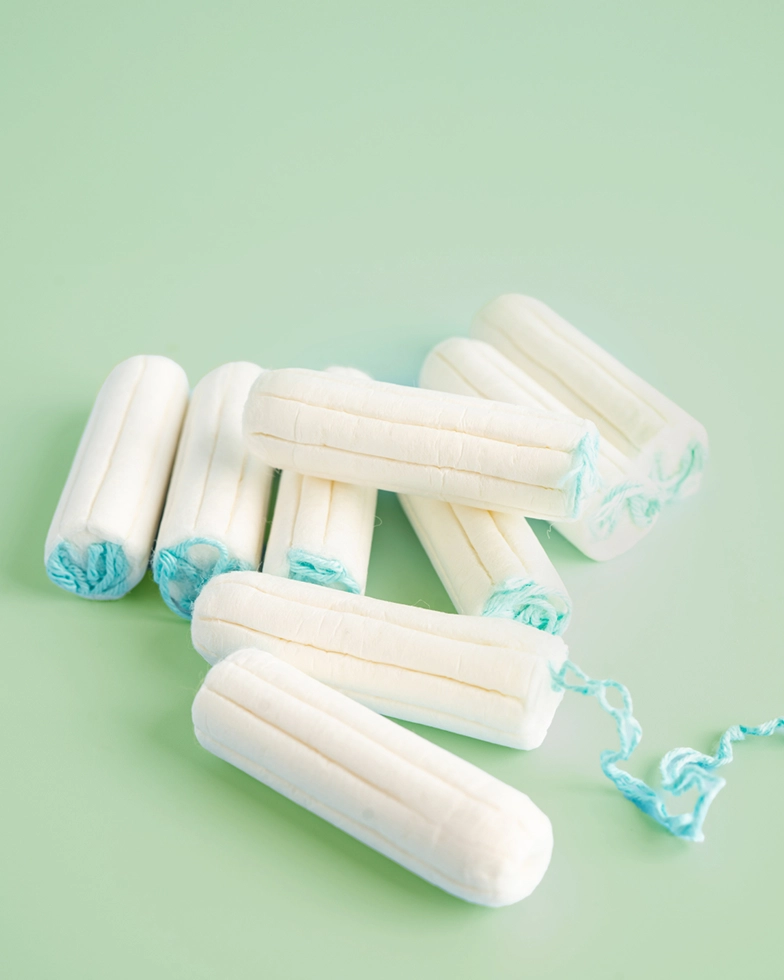
Lenzing has decided to invest EUR 15 million in expanding production capacity for nonwoven fibers at its site in Lenzing (Austria). This capacity expansion strengthens Lenzing’s market position in the hygiene segment and positions the company as a reliable supplier of high-quality premium fibers.
The expansion focuses on VEOCEL™ Viscostar fibers, which are viscose fibers with a trilobal cross-section. This special premium fiber outperforms conventional viscose in Syngina values and, thanks to its characteristic cross-section, contributes significantly to efficient absorbency in tampon products. Lenzing thereby offers not only a natural alternative to synthetic fibers in feminine hygiene products, but also a higher-performing one.
This investment highlights Lenzing’s ambition to continue growing in the stable and profitable nonwovens business.
Transformation
Performance program is delivering
Lead Transformation
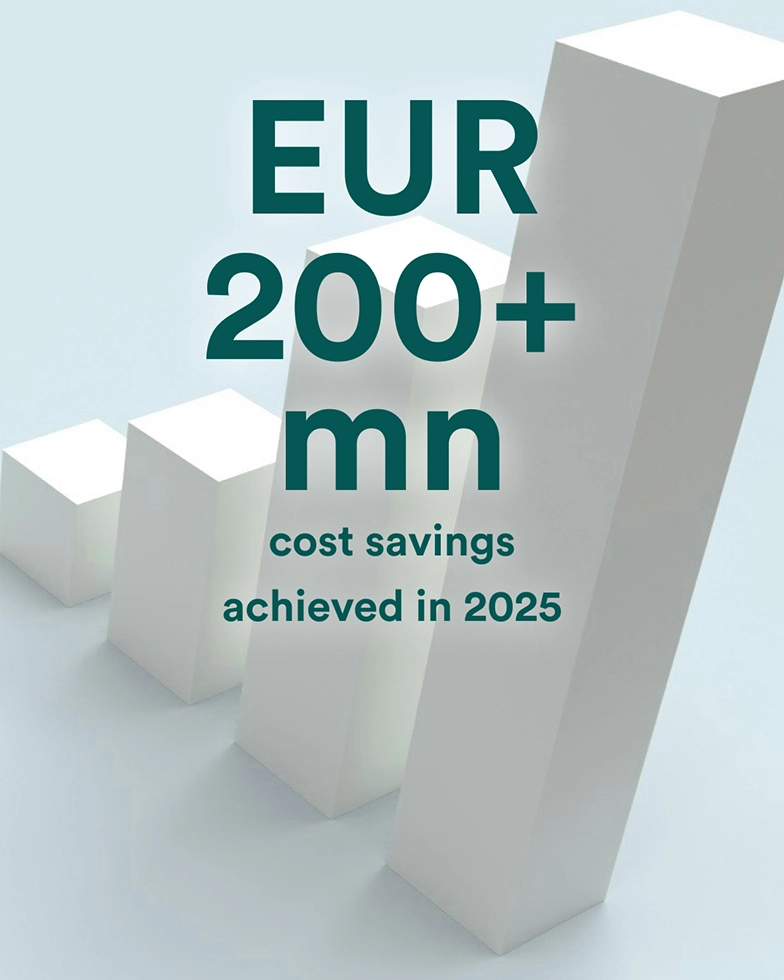
In 2025, the Performance Program was successfully continued with the overarching goal of enhancing long-term resilience to crises and creating greater agility in responding to market changes. The program plays a key role in the Lenzing Group’s transformation and focuses on increasing profitability and consistent cost management, with the aim of improving EBITDA and generating free cash flow.
The implemented improvements in structural, process and personnel costs resulted in cost savings of more than EUR 200 mn in the 2025 financial year. In addition, new customers were acquired for key products to strengthen sales and revenue growth, and expansion into smaller, higher-margin markets was intensified.
The performance program will be pursued resolutely beyond 2025 to further strengthen the Lenzing Group’s competitiveness, resilience and profitability.
New Product
Sustainable surface cleaning
generate impact
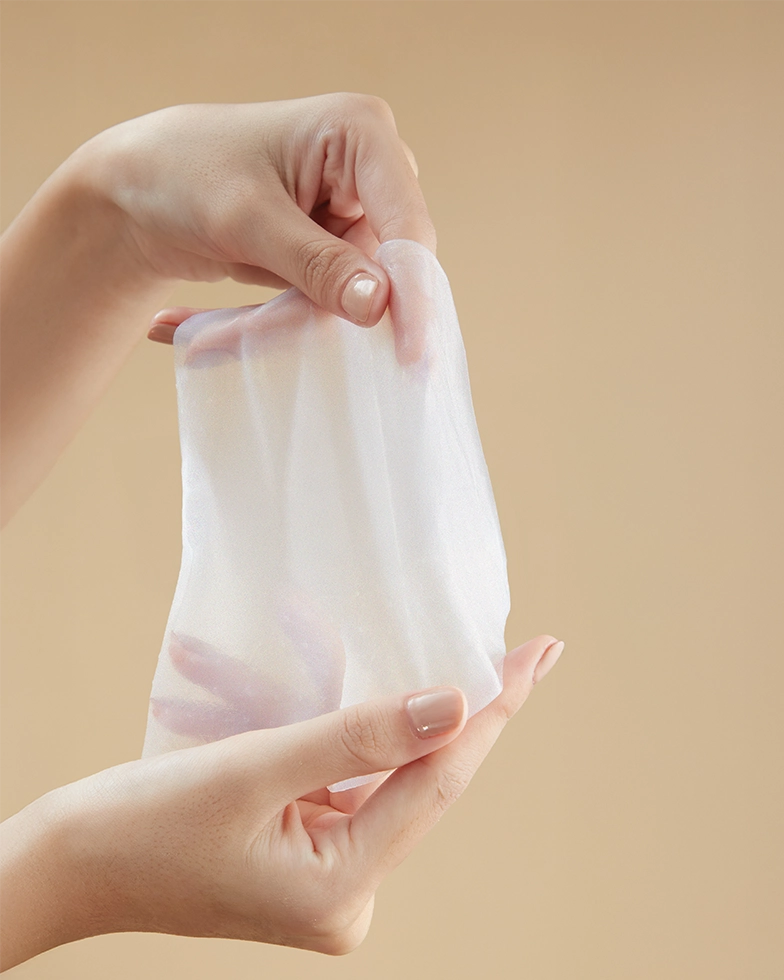
Lenzing has introduced the next generation of VEOCEL™ Lyocell fibers for Enhanced Cleaning (EC) – an innovation that supports the further development of surface wipes and disinfectant wipes. VEOCEL™ Lyocell EC fibers were developed to improve wiping performance through stronger and denser fabrics. These fibers ensure even liquid distribution and each wipe can clean up to twice the surface area compared with fossil-based alternatives.
A key factor contributing to the performance of the new VEOCEL™ fibers is their compatibility with active or functional ingredients used in disinfectants, such as quaternary ammonium compounds (quats), which are used as antimicrobial agents. While many other cellulose fibers require additional chemical treatments to achieve similar functionality, Lenzing has succeeded – through process optimization and targeted raw material selection – in developing a fiber that minimizes these drawbacks and ensures reliably low binding of quats to the fiber surface. This results in a significantly improved disinfecting effect. This seemingly simple but highly effective improvement in fiber properties enables the use of VEOCEL™ cellulose fibers in applications previously dominated by synthetic materials.
Overall, these properties make them particularly suitable for demanding cleaning environments – from household and personal care through to institutional and industrial applications. With VEOCEL™ Lyocell fibers for enhanced cleaning, Lenzing offers the nonwovens industry the next sustainable alternative.
Research & Development / Partnerships
Pilot project with adidas: recycled sweater
Lead Transformation
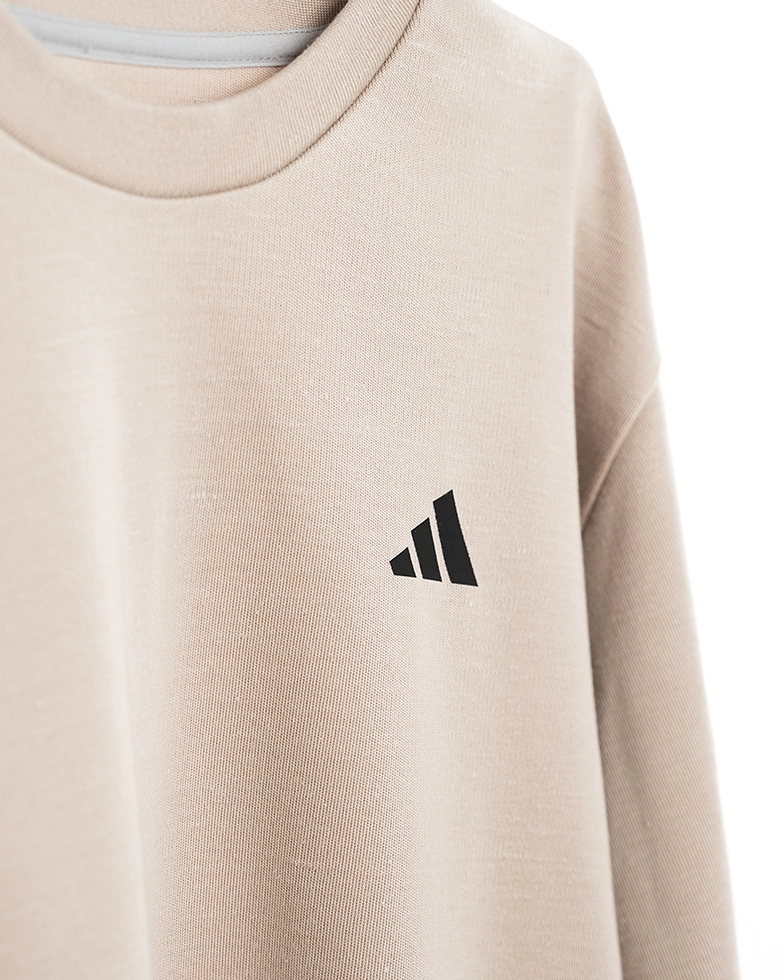
At Lenzing, innovation is more than just a goal – it is our path forward. In our effort to change the textile industry for the better, we are constantly looking for smarter and more sustainable solutions. That’s why we partnered with adidas and the Niederrhein University of Applied Sciences to push the boundaries of the circular economy through the use of regenerated cellulose fibers.
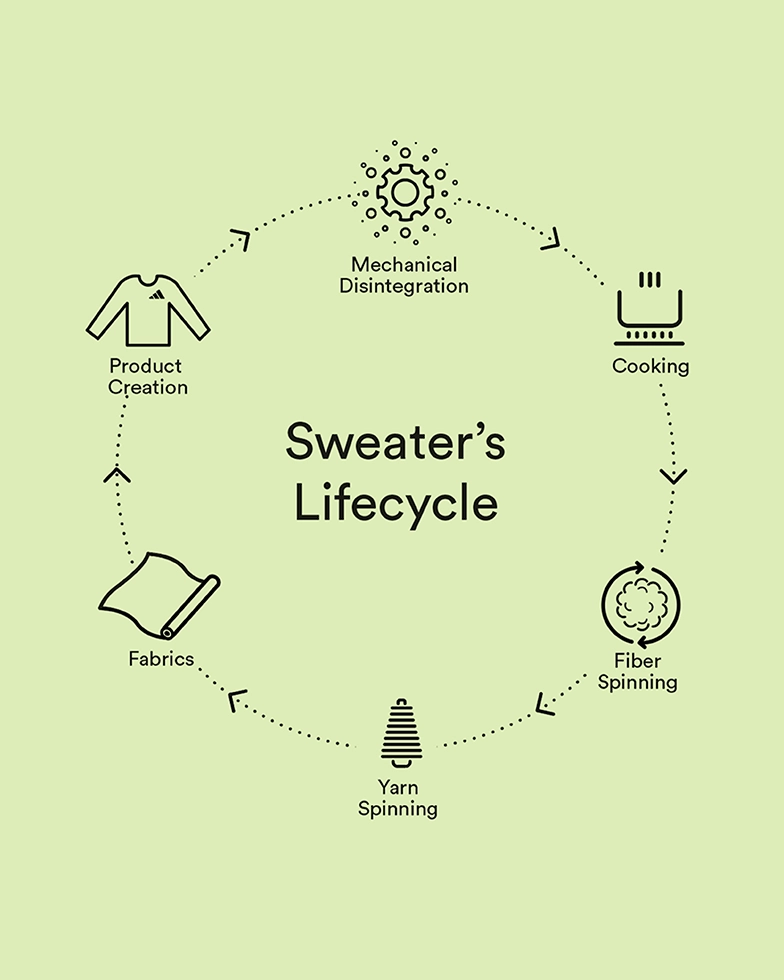
Together, we have proven that TENCEL™ Lyocell fibers – just like cotton – can be chemically recycled and reintroduced into the textile value chain. The result: a jointly developed sweater made from recycled lyocell fibers in a closed-loop system, without bleaching and while maintaining the fiber’s undyed shade.
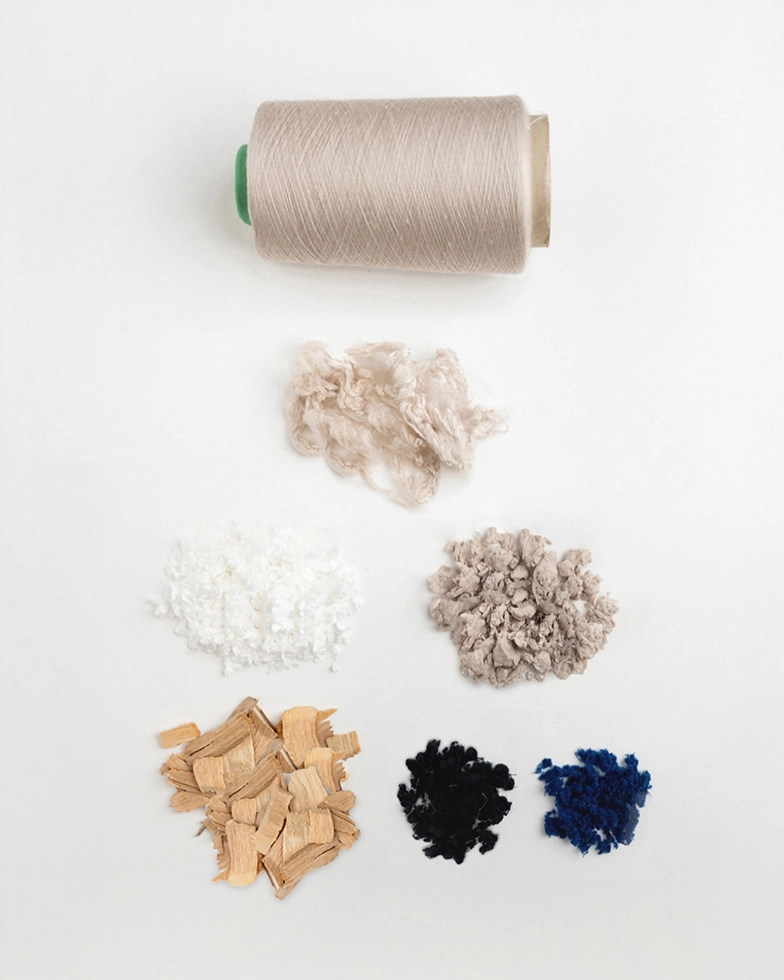
The process began with Lenzing breaking down 100 % lyocell fabrics supplied by adidas back into pulp, the raw material for our fibers. We removed synthetic dyes and produced new fibers with a recycled content of 30 % to 50 %, blended with wood pulp. These fibers were spun into yarn and used to produce a prototype garment – a crew-neck sweater – that demonstrated the proof of concept in an undyed color.
Lenzing gives textile waste a second life – new lyocell and viscose fibers are created through a closed production loop. Together with adidas, we are working to return these fibers fully into the recycling loop. This project shows that circularity is possible and represents a step toward a future in which textile waste becomes a valuable resource for new garments.
Decarbonization
Renewable energy for climate neutrality
generate impact
In line with the Paris Agreement (1.5 °C target) and UN SDG 13 on climate action, the Lenzing Group has set ambitious, science-based targets (SBTs) to reduce absolute greenhouse gas (GHG) emissions by 42 percent in Scopes 1 and 2 and by 25 percent in Scope 3 by 2030 (base year 2021), as well as to reduce net GHG emissions to zero by 2050. Lenzing is thereby the first producer of regenerated cellulose fibers to have a verified science-based net-zero target.
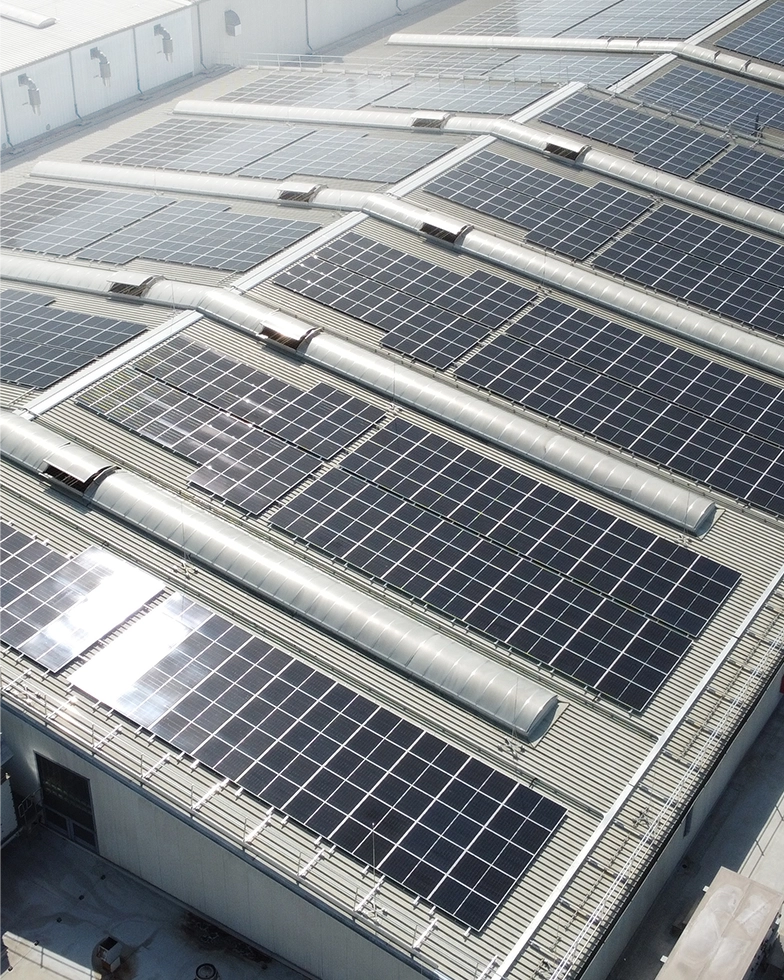
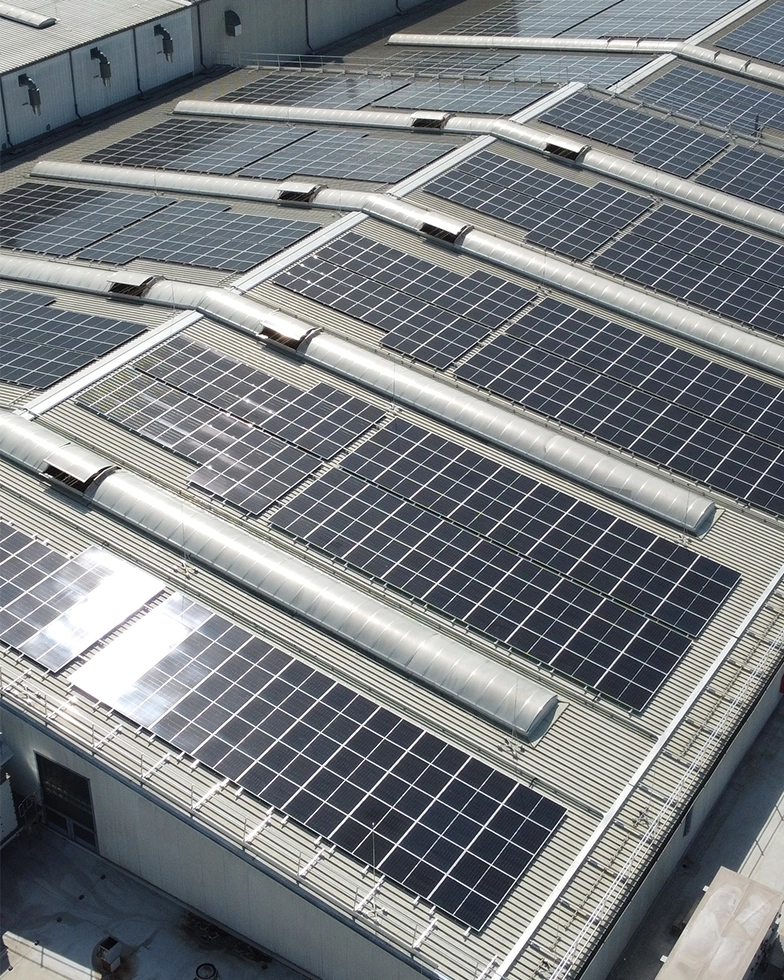
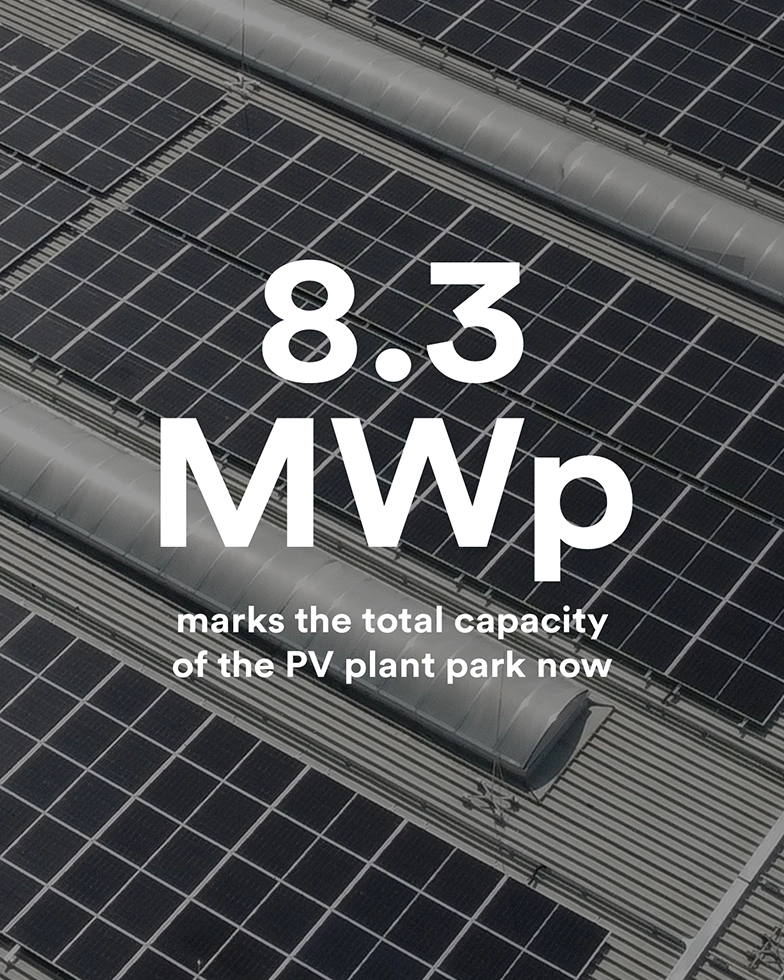
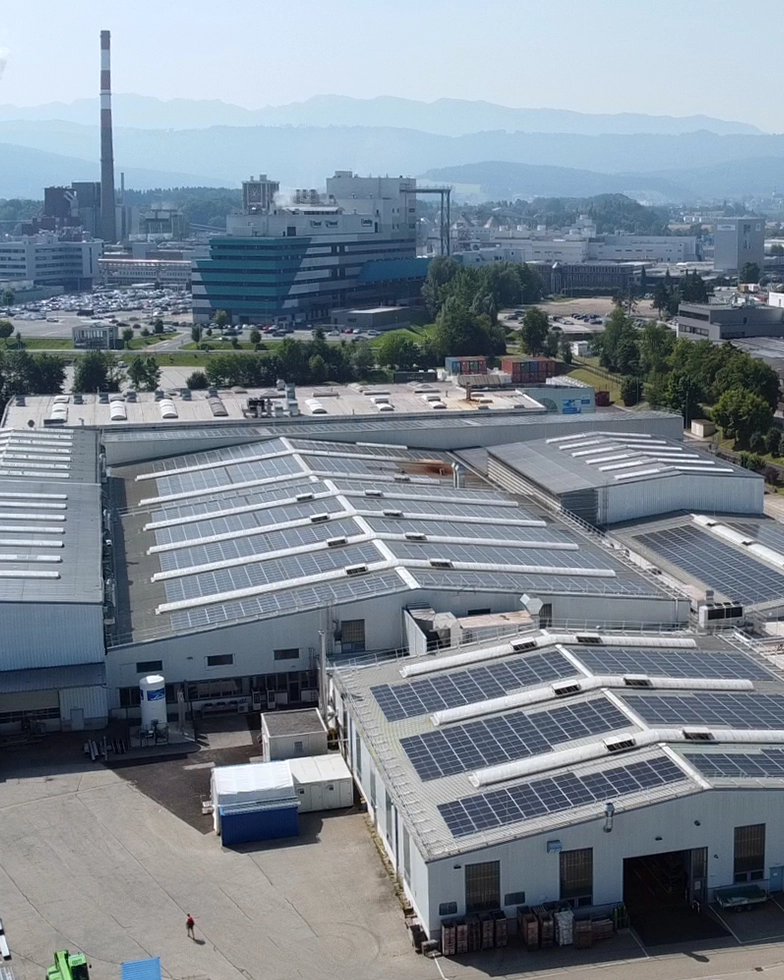
To achieve these ambitious goals, Lenzing is continuing to invest in the expansion of renewable energy. This not only makes a valuable contribution to climate neutrality but also secures the company’s long-term competitiveness. In 2025, photovoltaic (PV) capacity at the Lenzing site was expanded. The new PV system has a capacity of 1.3 megawatts peak (MWp), thereby boosting total PV capacity at the site to 8.3 MWp.
In recent years, Lenzing has also invested in converting from coal to natural gas at the Nanjing site (China), acquiring a 43 MW biomass power plant for the Heiligenkreuz site (Austria) and installing more efficient natural gas boilers in Mobile (USA). In addition, seven production sites within the Lenzing Group are constantly supplied with 100% renewable electricity from local power grids.
Innovation
Twice as clean
Lead Transformation
The patented LENZING™ Nonwoven Technology produces lyocell filaments that are processed directly into nonwoven material during production. The combination of the natural bonding of the filaments and subsequent hydroentanglement makes it possible to produce materials without surface treatments or binders, thereby helping to reduce microplastics in wipes.
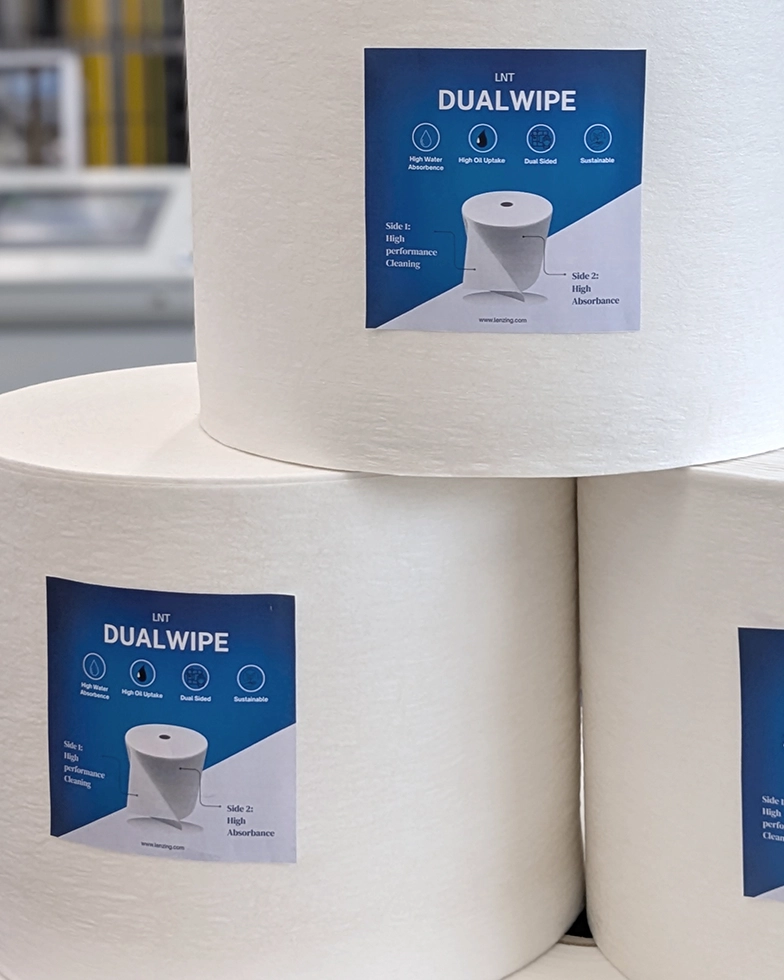
The latest product, LENZING™ DUAL WIPE, represents a significant breakthrough in sustainable industrial wipes. This innovative product combines two functional sides: a soft side for gentle cleaning and a rough side for stubborn dirt. It was first presented at IDEA 2025, a major nonwovens industry event in Miami, where it attracted strong interest from the industry. The first customers for this product are already in the validation phase and the official market launch is planned for 2026. LENZING™ DUAL WIPE delivers outstanding cleaning performance while setting new benchmarks for sustainability in industrial wipes.
Customer service
One platform. Numerous possibilities.
generate impact
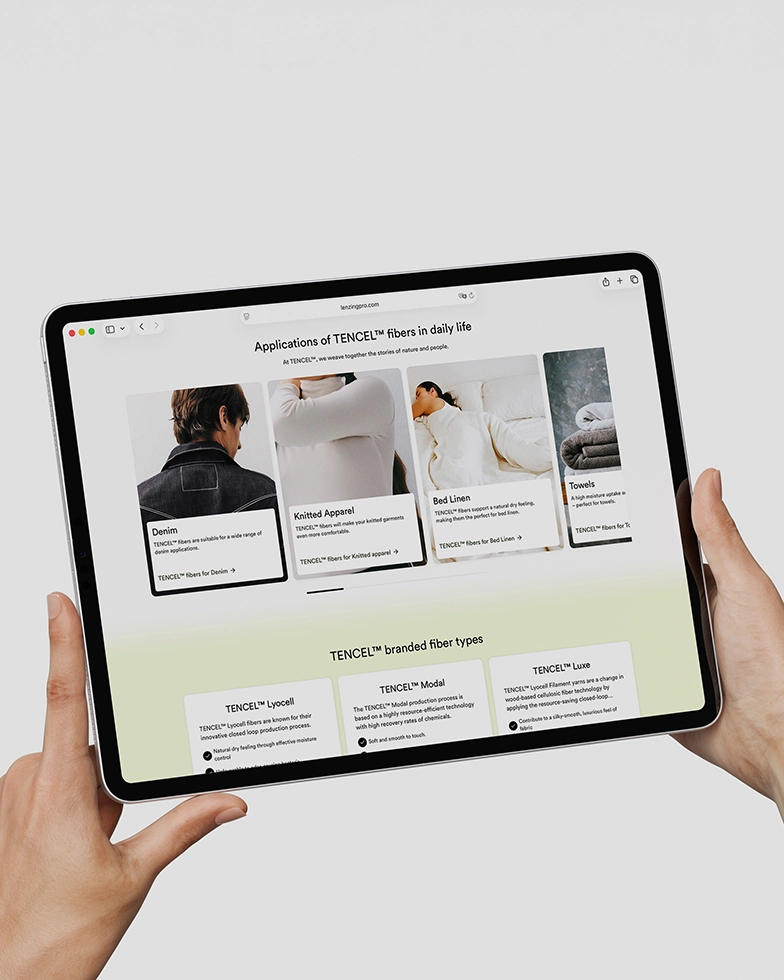
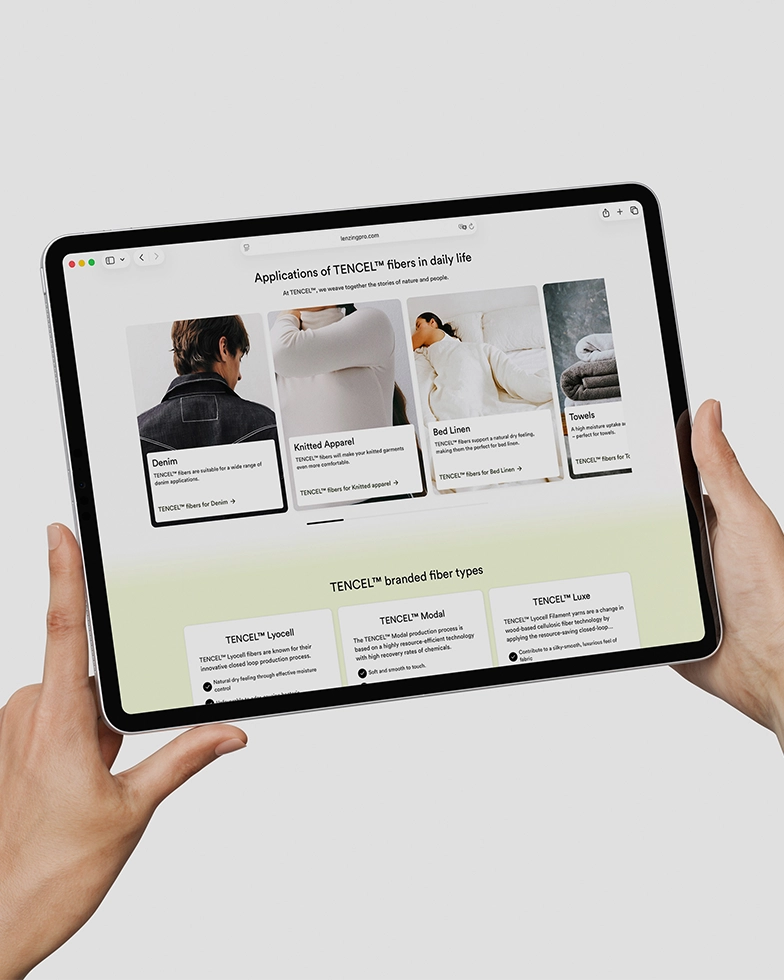
Lenzing Pro is the new high-performance digital platform for our partners. This online hub brings everything together in one place – from fiber data and certifications through to marketing tools. It makes it easier than ever for customers to integrate sustainable materials into their products in the best possible way and to confidently promote the use of Lenzing fibers. The online platform offers a range of features, including a comprehensive fiber catalog with specifications and application guidelines, fabric certification and brand licensing as well as marketing materials for storytelling and campaigns.
Lenzing Pro was developed in response to a clear need: faster access to reliable information and optimized support for certification and brand building. Whether it’s spinners looking to gain insights into fibers, manufacturers using certified fibers, or brands and retailers running campaigns with Lenzing’s product brands – Lenzing Pro supports every step of the way.
This new platform was launched at Intertextile Shanghai in the year 2025 – one of the most important trade fairs in the textile industry – at a major customer event. Our customers and partners were immediately enthusiastic about the added value this platform offers.
Innovation
Innovation – made in Europe
Lead Transformation
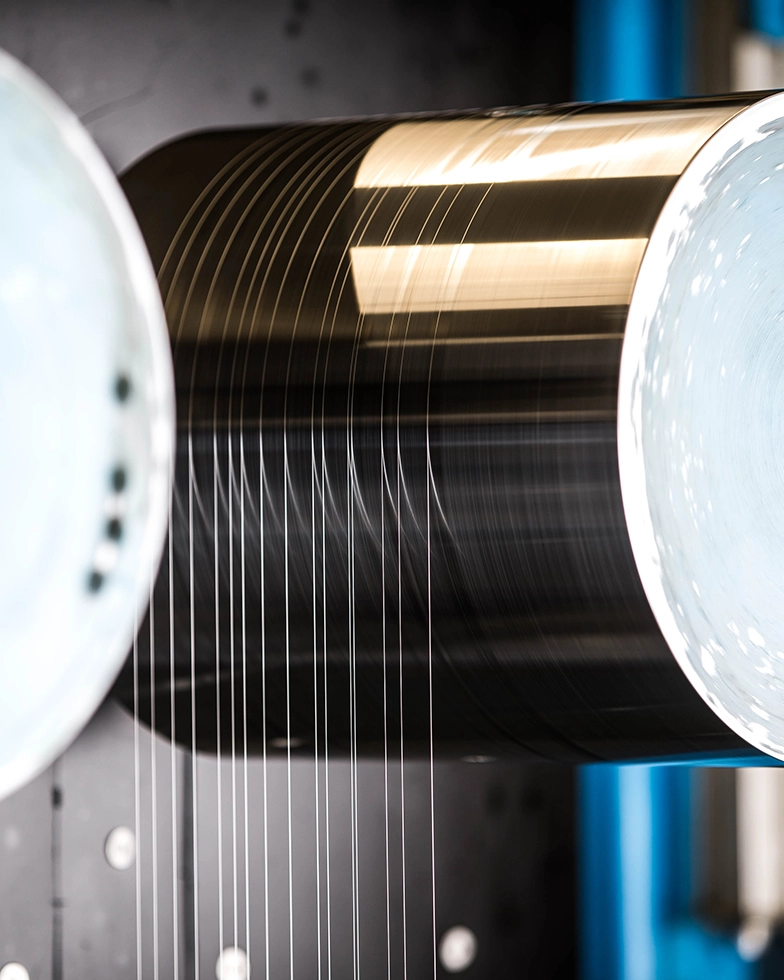
Lenzing is a participant in the EU-funded Horizon Europe project CELLFIL, which was launched in mid-2024 and is planned to run for four years. This project aims to transform the European textile value chain by replacing synthetic fibers with lyocell filaments. CELLFIL brings together 15 project partners across all stages of production, including major players such as adidas and Continental as well as renowned universities.
The starting point and core of the project is the lyocell filament TENCEL™ Luxe, developed by Lenzing and produced at the Lenzing site (Austria). CELLFIL spans the entire value chain, starting from raw materials and traversing several production steps through to the investigation of various selected applications. Over the course of the project, nine prototype products will be developed in three categories: performance wear, textiles for the automotive industry as well as technical textiles and reinforcements. This process will involve designing, developing and validating end-use textile applications that utilize optimized lyocell filament yarns. The goal is to develop solutions that demonstrate how cellulose filaments can replace the fossil-based filaments that currently dominate the textile industry.
CELLFIL promotes innovation across the entire value chain through to marketable end products, by involving partners from all relevant production stages and working jointly on solutions from the very beginning.
Brands / Partnerships
Carefree x VEOCEL™ in North America
generate impact
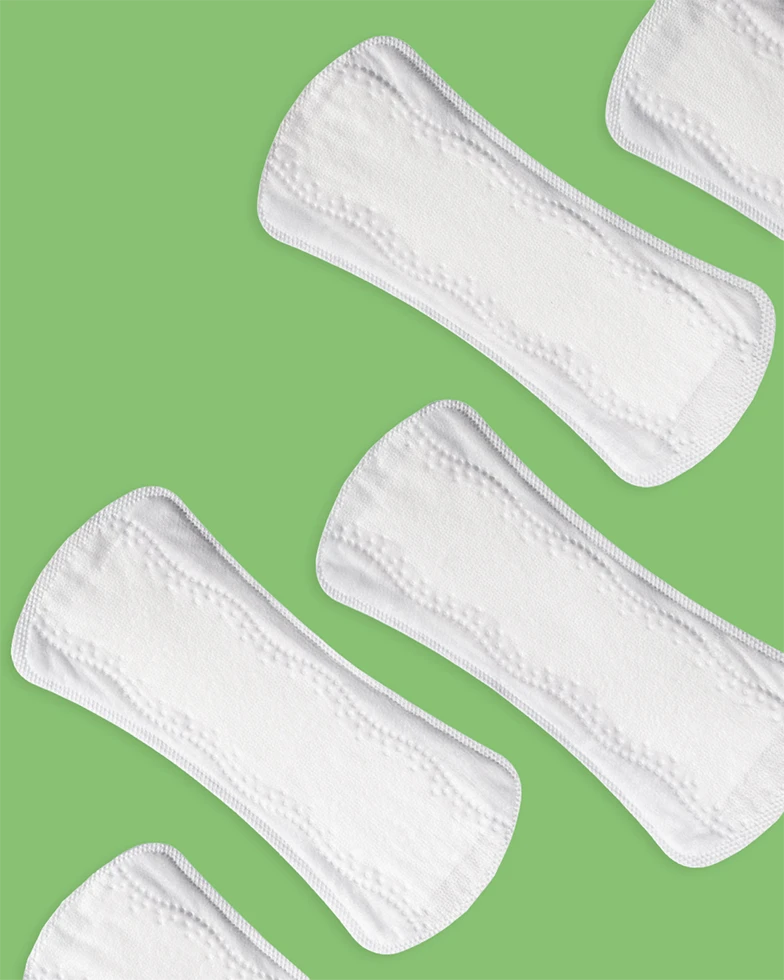
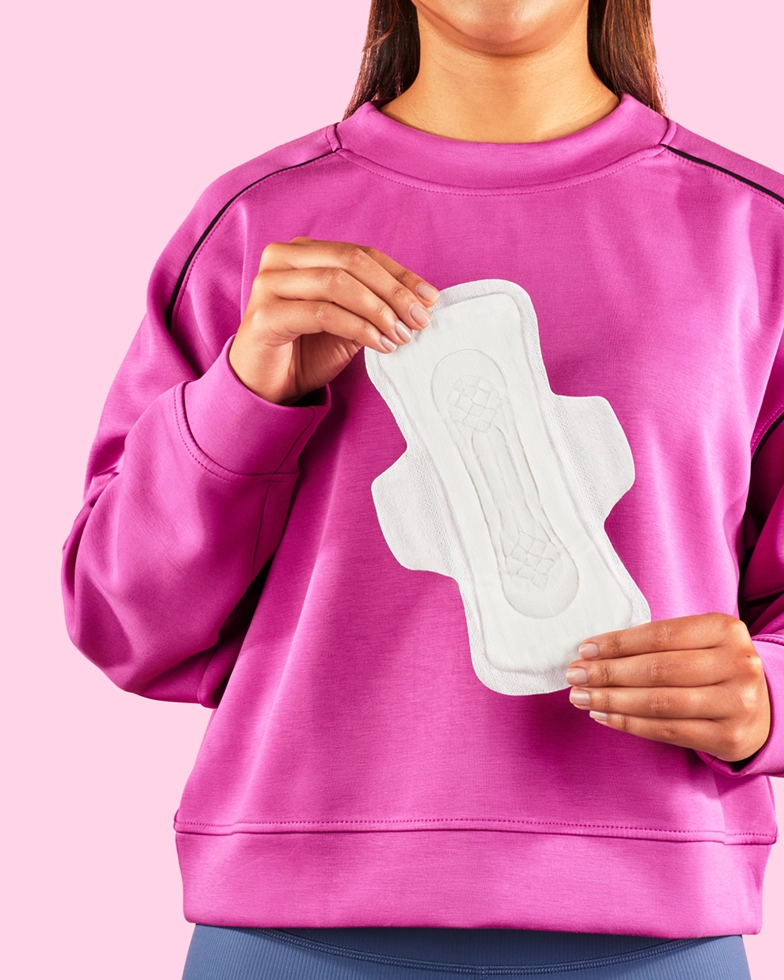
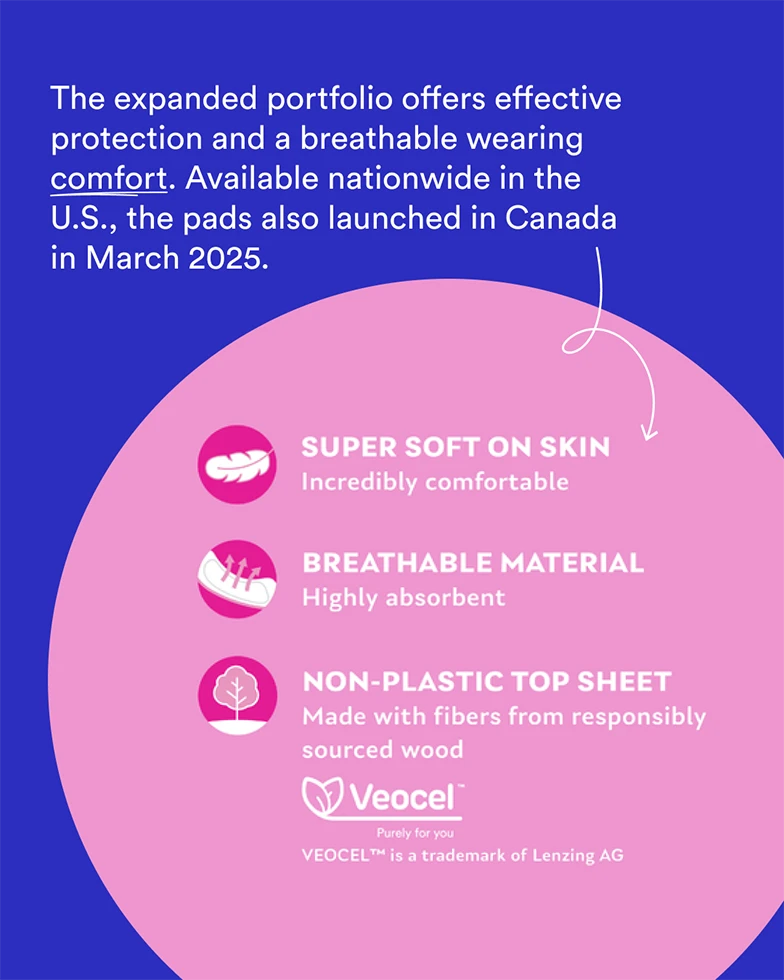
Lenzing and Edgewell, the company behind well-known brands such as Carefree, have launched sanitary pads made with Lenzing’s VEOCEL™ Lyocell fibers on the North American market for the first time. The product launch began in the USA and, following its success there, has now been expanded to the Canadian market.
VEOCEL™ Lyocell fibers with Dry Technology used in the pads offer exceptional fluid management, absorbency and softness. They provide long-lasting comfort and retain 70% more liquid than other brands.
Carefree pads with VEOCEL™ fibers offer a clean and safe alternative to conventional pads made with plastic or other fossil-based materials and set new standards for comfort and environmental responsibility.
Our collaboration with Edgewell and the launch and expansion of Carefree pads featuring Lenzing fibers mark an important step in our commitment to offering responsible, high-quality feminine hygiene products.
Research & Development
From round to flat
Lead Transformation
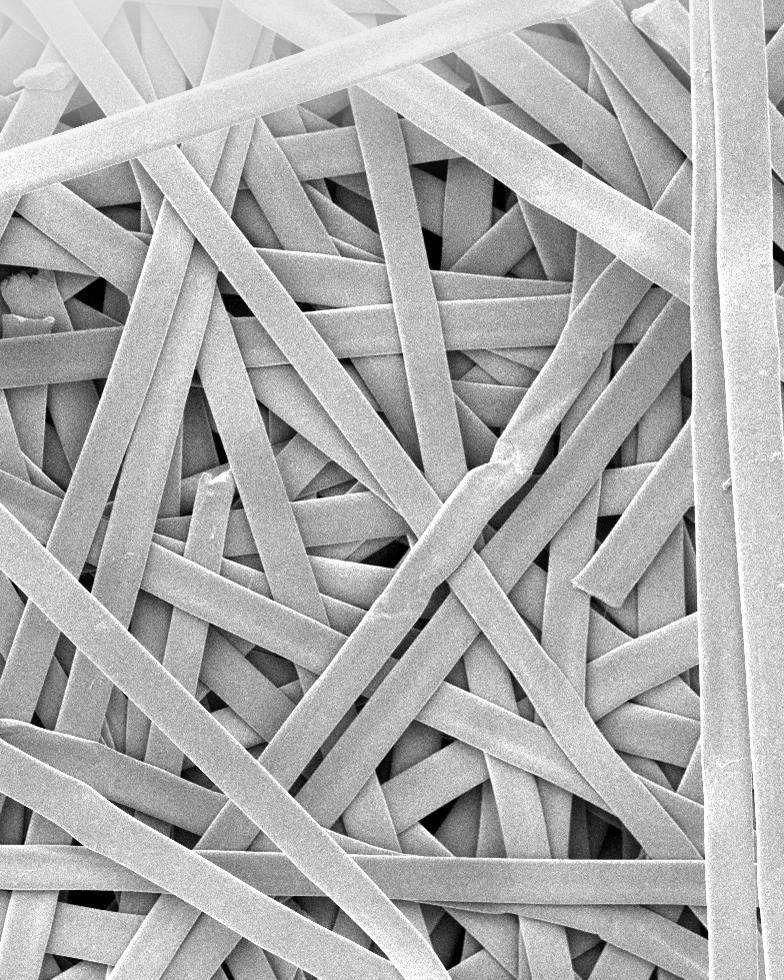
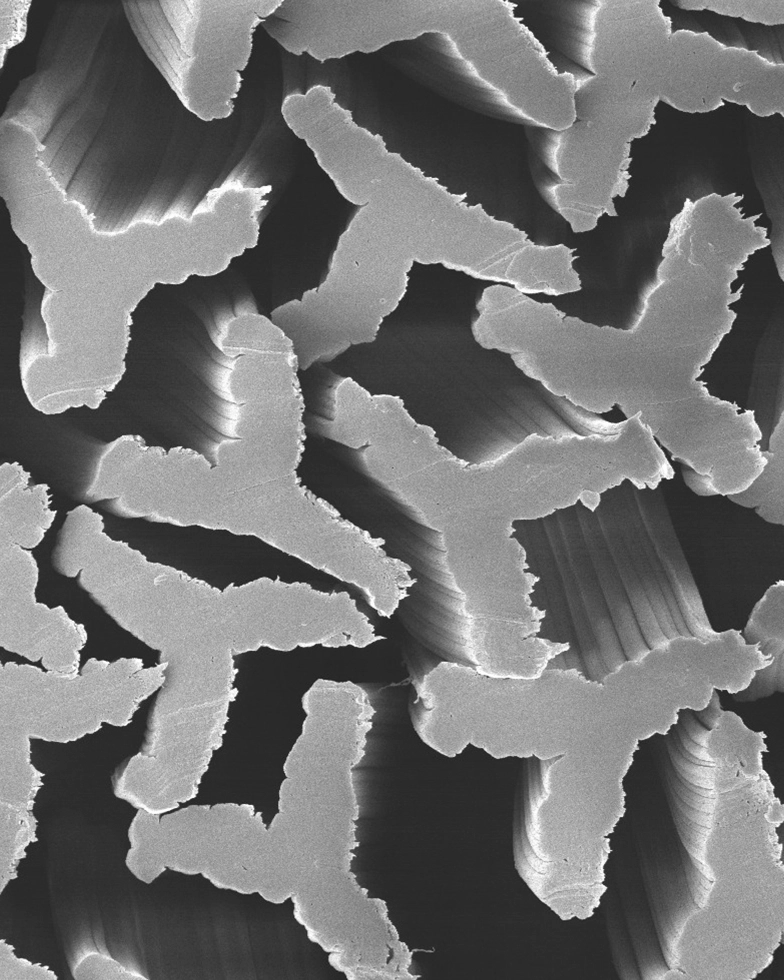
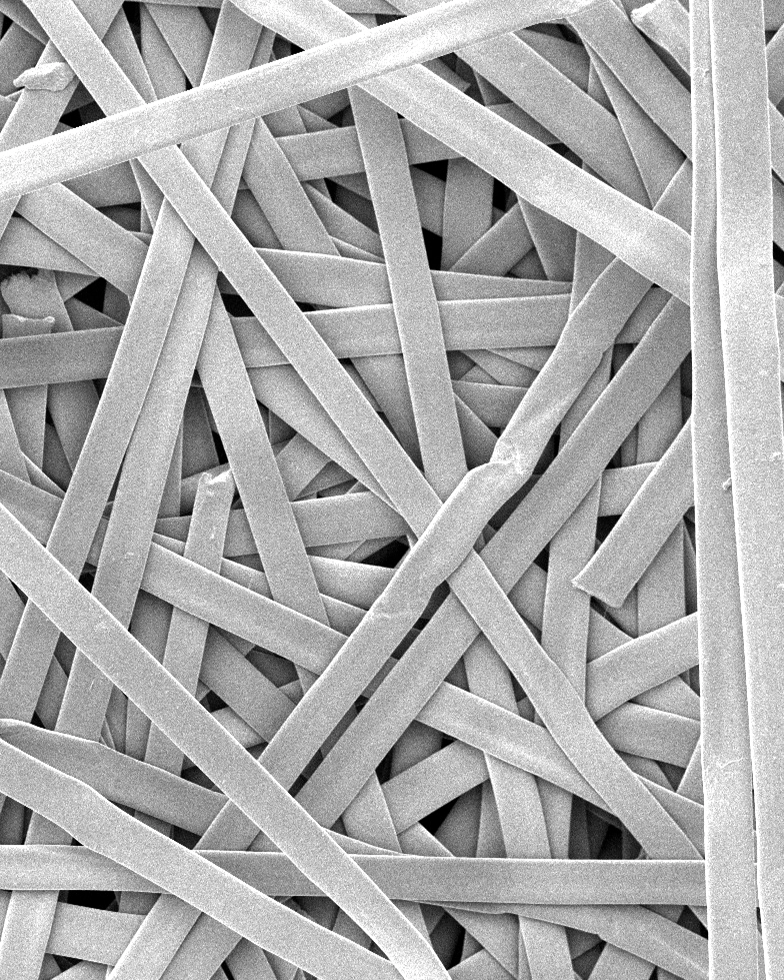
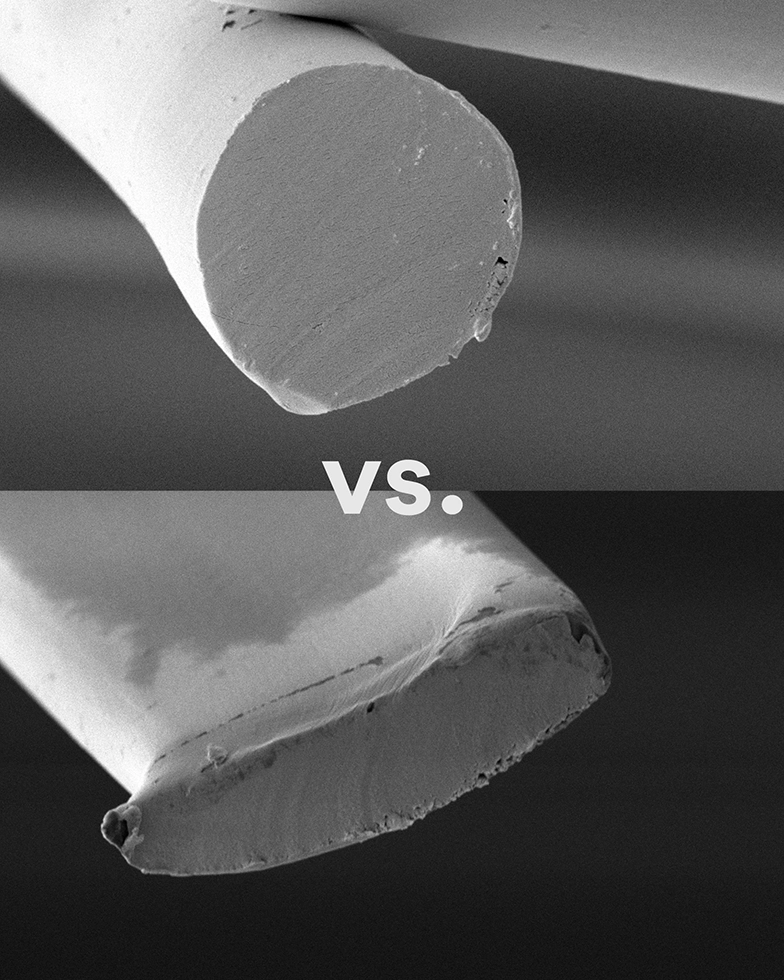
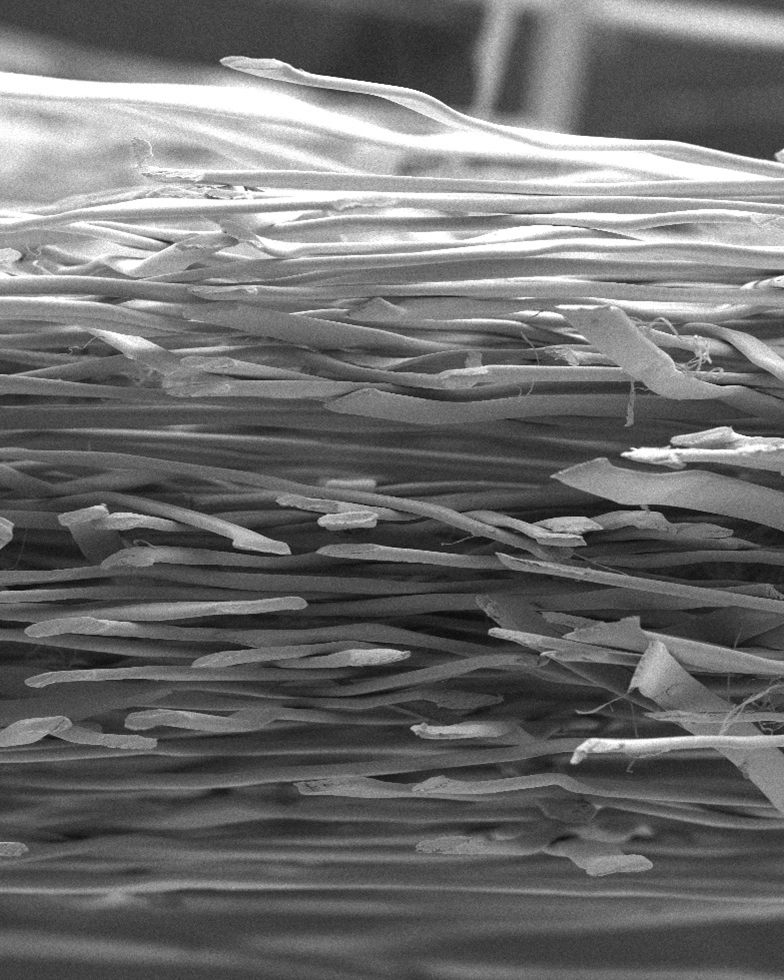
To produce particularly thin fibers for specialty applications, a Lenzing research team developed lyocell fibers with a flat rather than round cross-section. Implementing this special fiber shape is technically demanding and, until now, had only been achieved with viscose fibers. Lenzing is the first company worldwide to successfully produce lyocell fibers with a flat cross-section.
The production process for flat lyocell fibers is the same as for standard lyocell, so they retain advantages such as a wood-based origin and eco-friendly production. The flat fiber shape is achieved through a modified spinneret design and delivers geometry-driven performance features such as improved fibrillation, higher wet strength and a grippier feel.
The development of flat lyocell fibers for a broader range of applications is currently in the pilot phase. Thanks to their special properties, such as fast and even liquid distribution, they are ideally suited for nonwoven applications.
New Product
Comfort inside out
generate impact
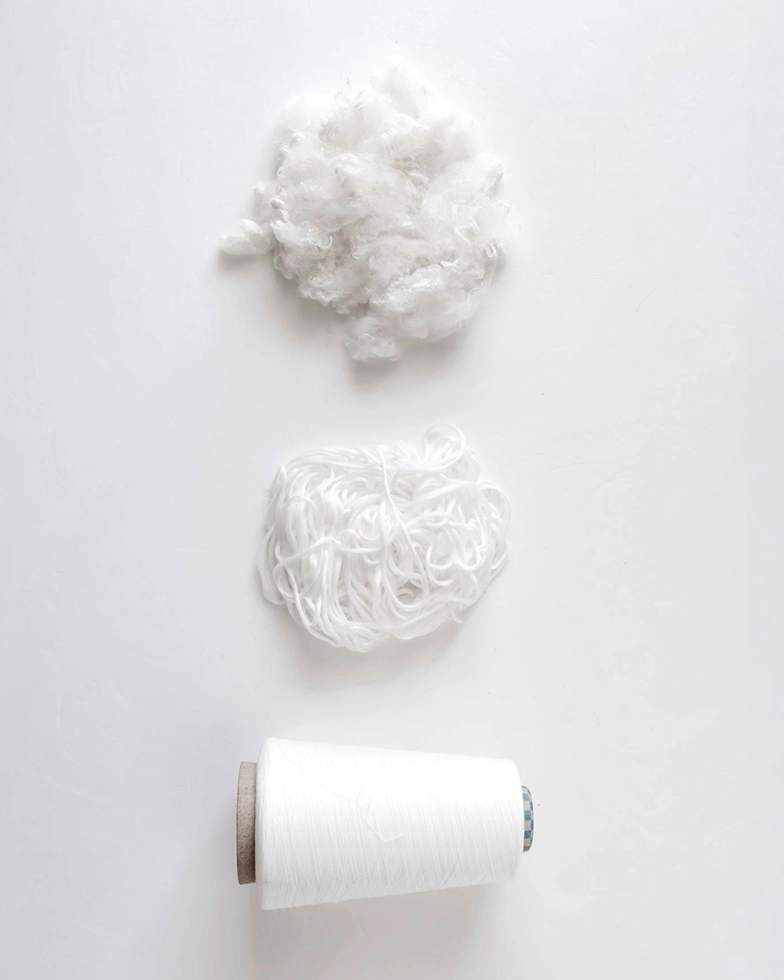
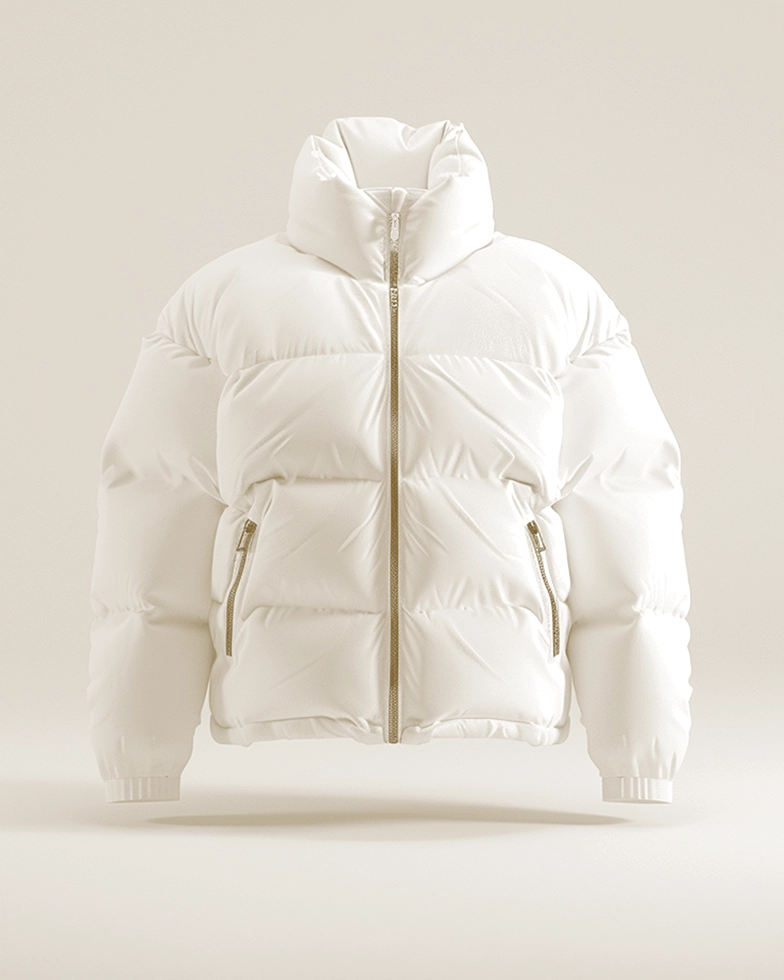
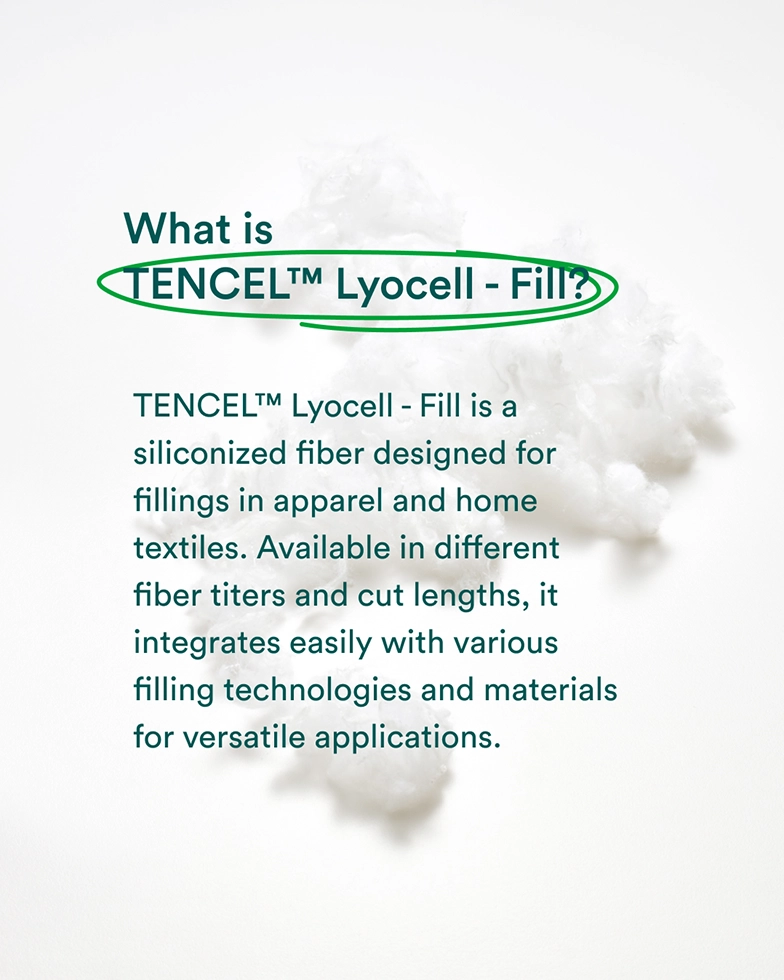
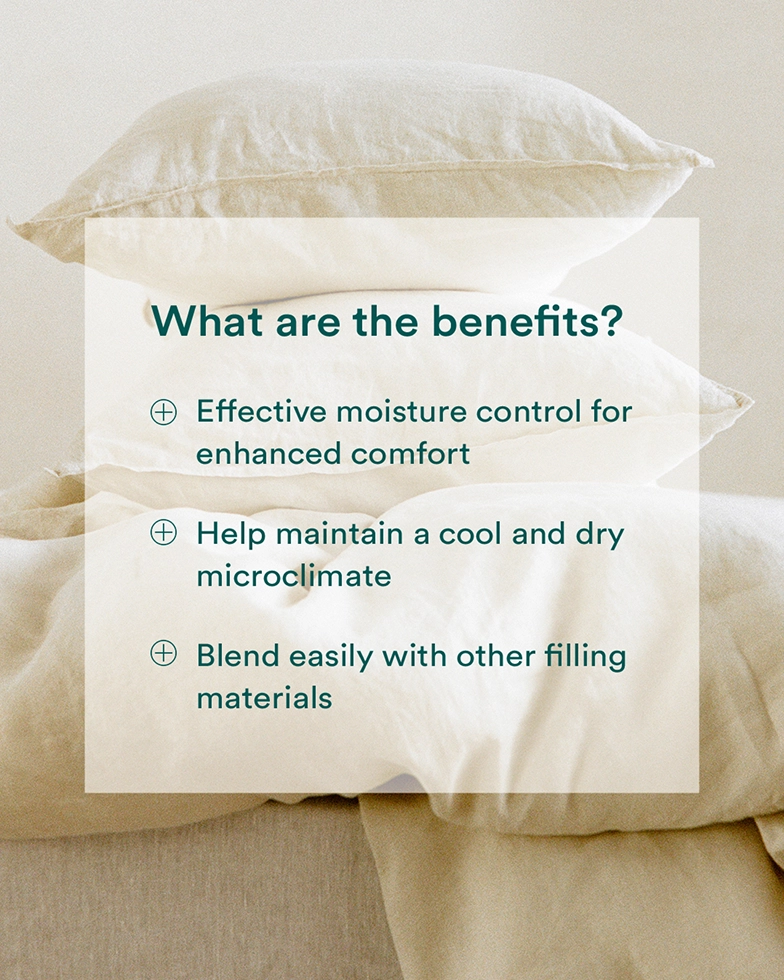
Lenzing fibers are not only suitable for producing yarns and, subsequently, fabrics for textiles, but also for so-called filling applications. The LENZING™ Lyocell Fill product group expands the fiber portfolio for greater comfort, resource efficiency and design versatility.
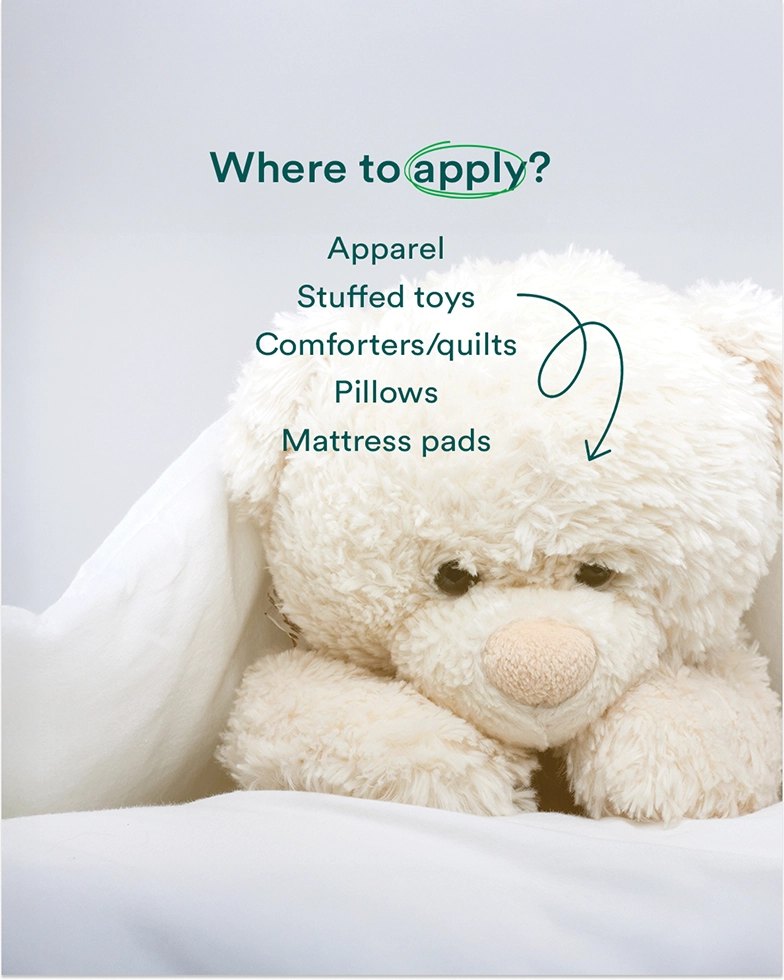
These fibers offer not only improved thermal comfort and moisture regulation, but also shape-stabilising properties. With two different linear densities and various cut lengths, the expanded fiber portfolio provides improved compatibility for seamless blending with other filling fibers such as polyester as well as with filling materials such as down. This versatility supports various filling technologies and product constructions that meet diverse design and application needs as well as specific consumer preferences in home textiles, apparel and beyond.
LENZING™ Lyocell Fill fibers let you sink comfortably into a pillow, snuggle under a comforter or stay warm in a winter jacket.
Research & Development
Award-winning research
Lead Transformation
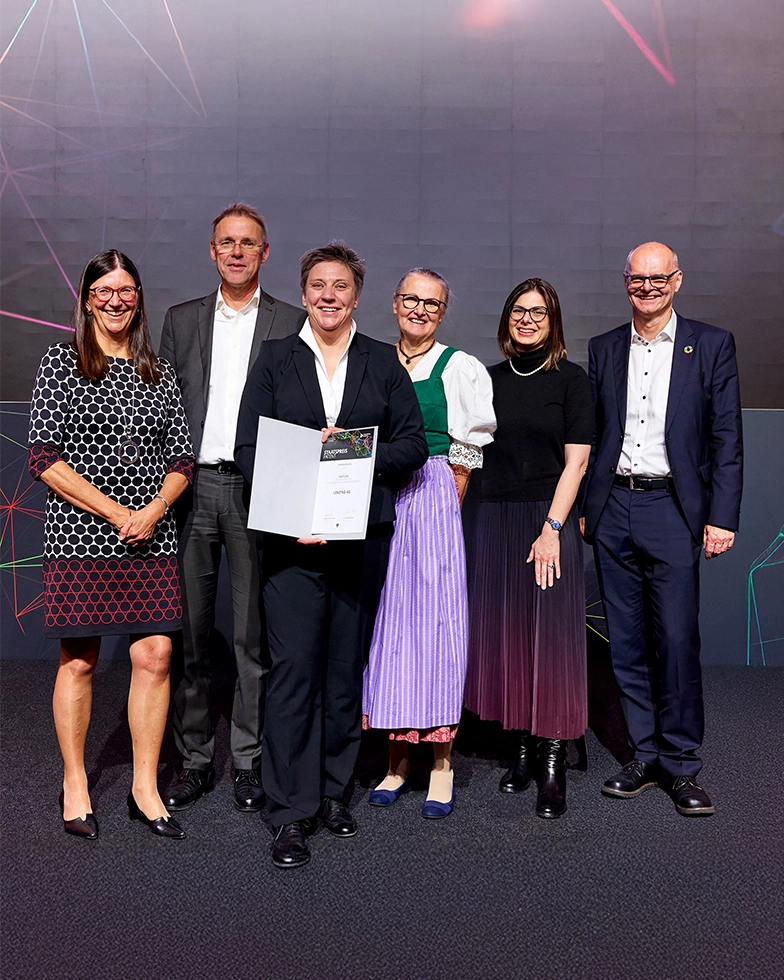
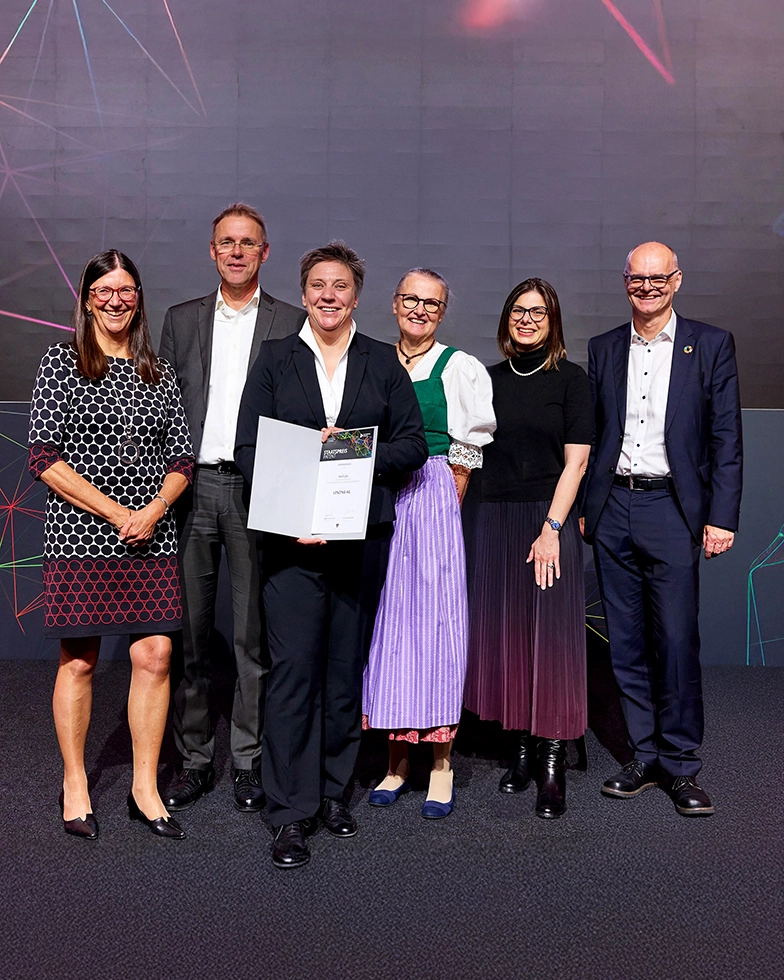
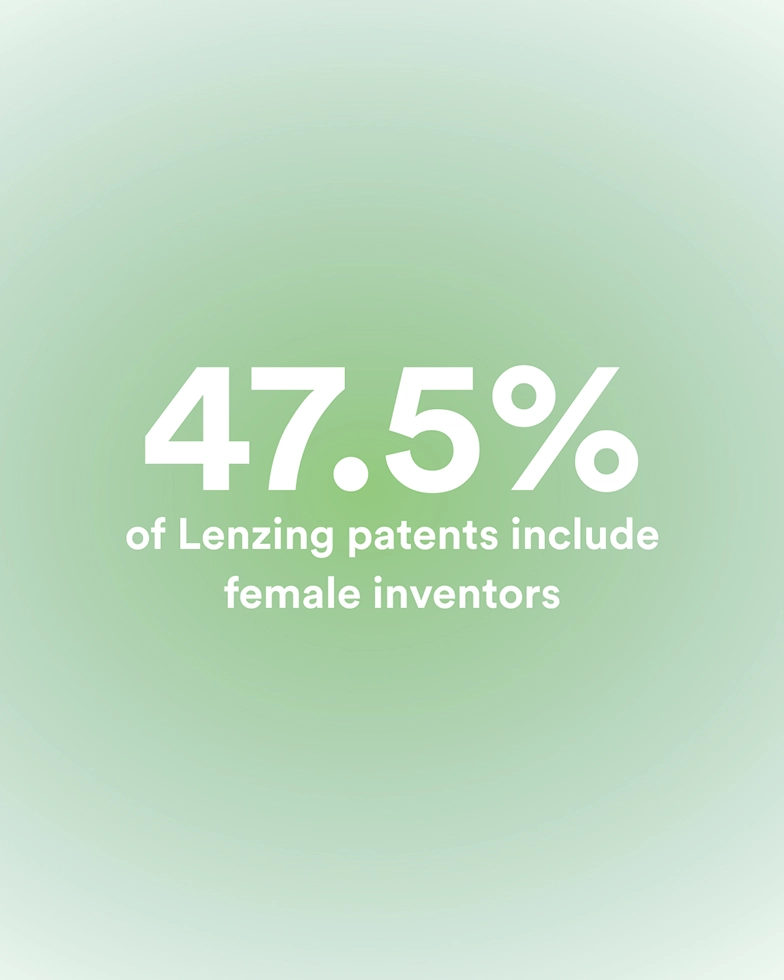
This year, the Lenzing Group was nominated among the top three for the Austrian State Prize Patent in the special category “Matilda” – as the only company among the nominees. This national award for innovation and intellectual property thereby recognizes Lenzing’s structural commitment to strengthening the role of women in research and development. The “Matilda” category was created to honor organizations that actively enhance opportunities for women in innovation and that drive structural change. One of Lenzing’s notable achievements in this area is its above-average share of female inventors: between 2014 and 2024, Lenzing was granted 661 patents, with women listed as co-inventors on 314 of these. This corresponds to a share of 47.5% – well above the international average of 13.2%.
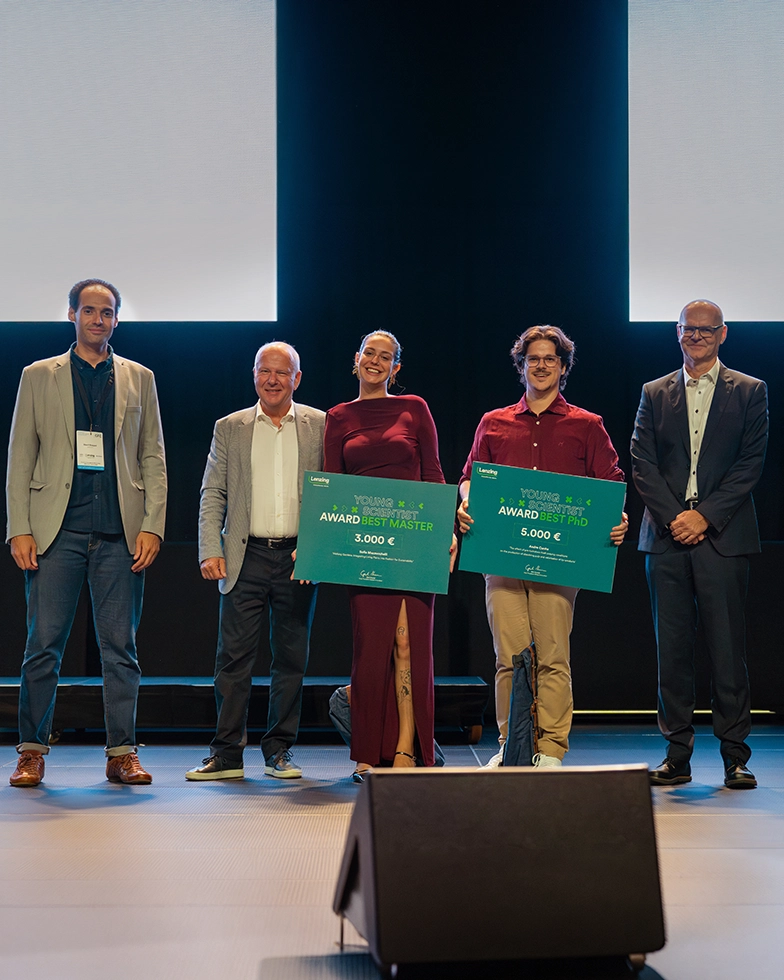
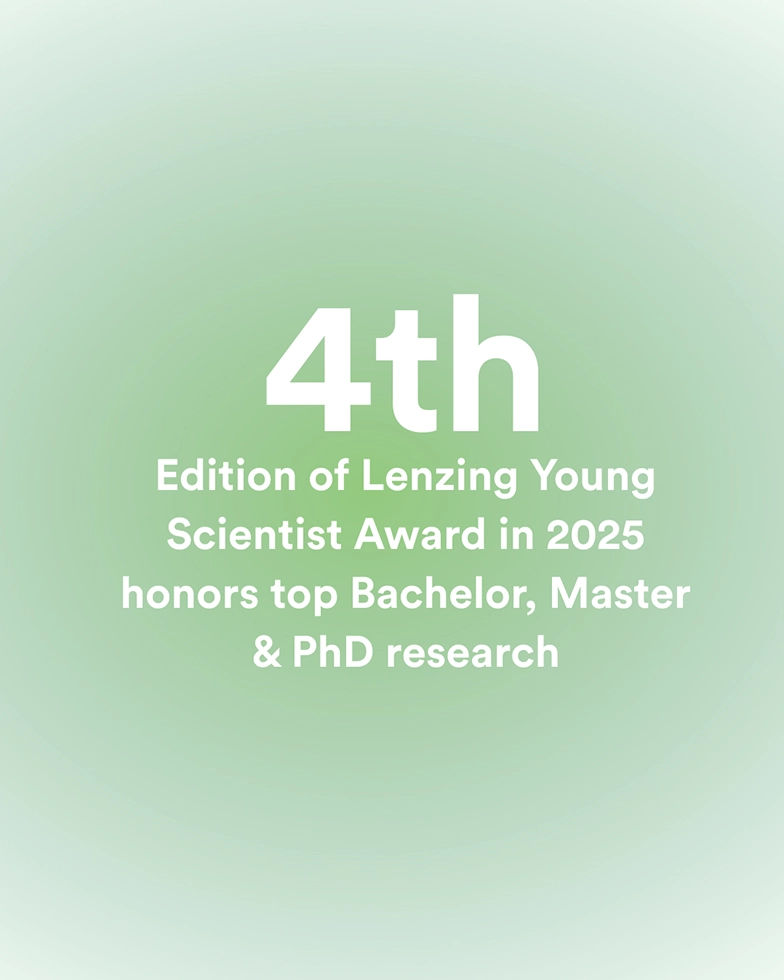
This year, Lenzing also hosted the fourth edition of the Lenzing Young Scientist Award as part of the Global Fiber Congress in Dornbirn (Austria) – an award for outstanding academic work by master’s and PhD students addressing ecological challenges in the fiber and textile sector. The award not only recognizes scientific excellence, but also offers young researchers a career springboard to connect with leading minds and innovators in the industry. This year’s winners were:
Best Master’s Thesis: Sofia Mazzucchelli, “Walking Gardens: Integrating Living Plants into Fashion for Sustainability”
Best Doctoral Dissertation: André Cunha, “The effect of pre-hydrolysis Kraft pulping conditions on the production of dissolving pulp and valorization of by-products”
Ecosystems
Biodiversity in Brazil
generate impact
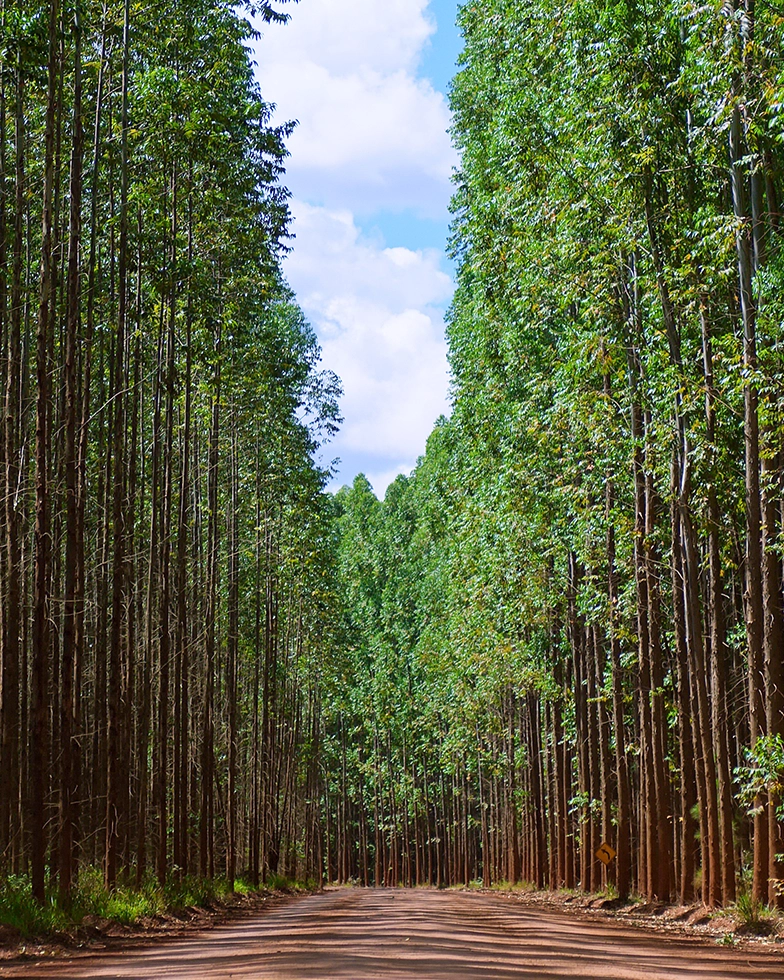
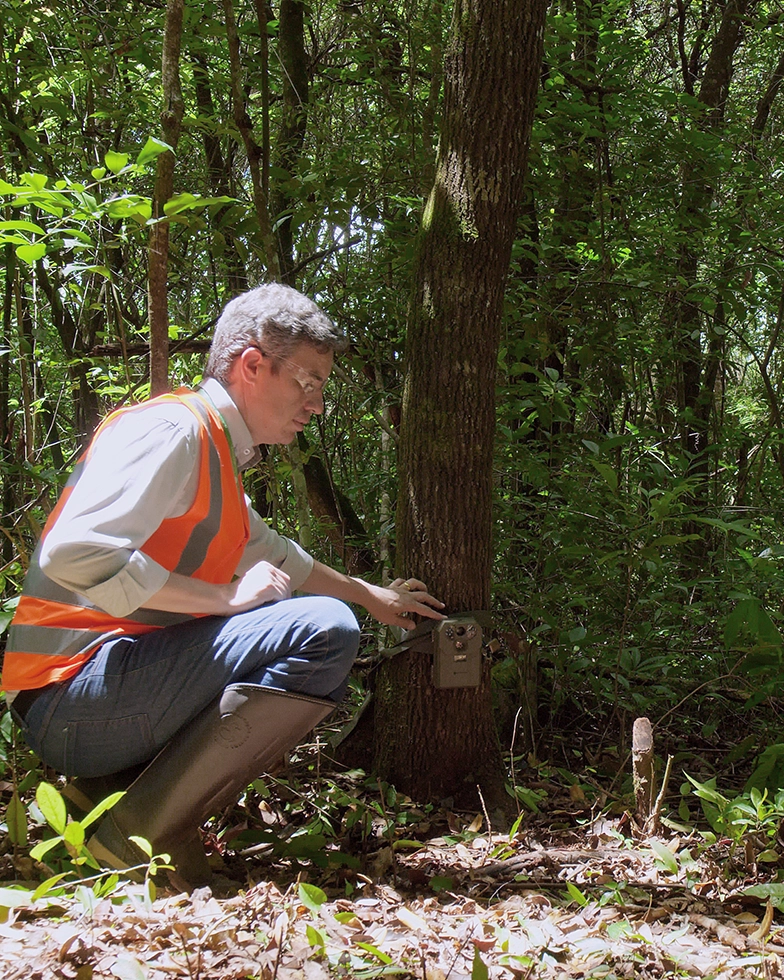
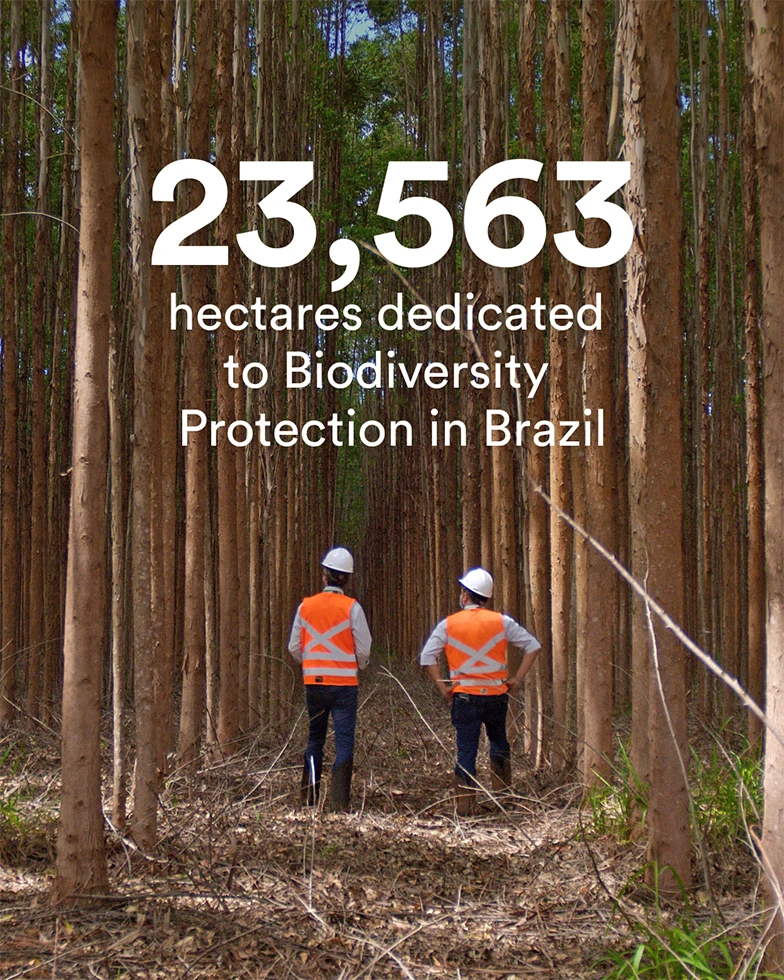
Lenzing’s joint venture LD Celulose not only operates a dissolving wood pulp mill in Brazil but also manages eucalyptus plantations to supply the mill with sustainably harvested wood. To protect and preserve local flora and fauna, LD Celulose first established a 15,000-hectare conservation area within its plantations, which was later expanded to 23,563 hectares. These conservation areas are dedicated to protecting biodiversity. LD Celulose’s forestry department conducts regular monitoring and analyses together with ecological and environmental experts to assess the condition of the conservation areas and identify any changes. The monitored areas are home to around 300 plant species and 440 animal species, including the maned wolf and the giant anteater, which are characteristic of the region. Since the start of this ongoing monitoring, no significant change has been recorded within LD Celulose’s plantations.
The plantations managed by LD Celulose are FSC® certified fully comply with relevant guidelines and Lenzing’s high standards for wood and dissolving wood pulp sourcing. The management of these plantations follows responsible practices aimed at protecting soil and water quality.
Through the sustainable management of plantations and the creation and preservation of conservation areas, Lenzing once again demonstrates that business activity and nature conservation can go hand in hand.