Strategy
[ESRS 2 SBM-3 46]
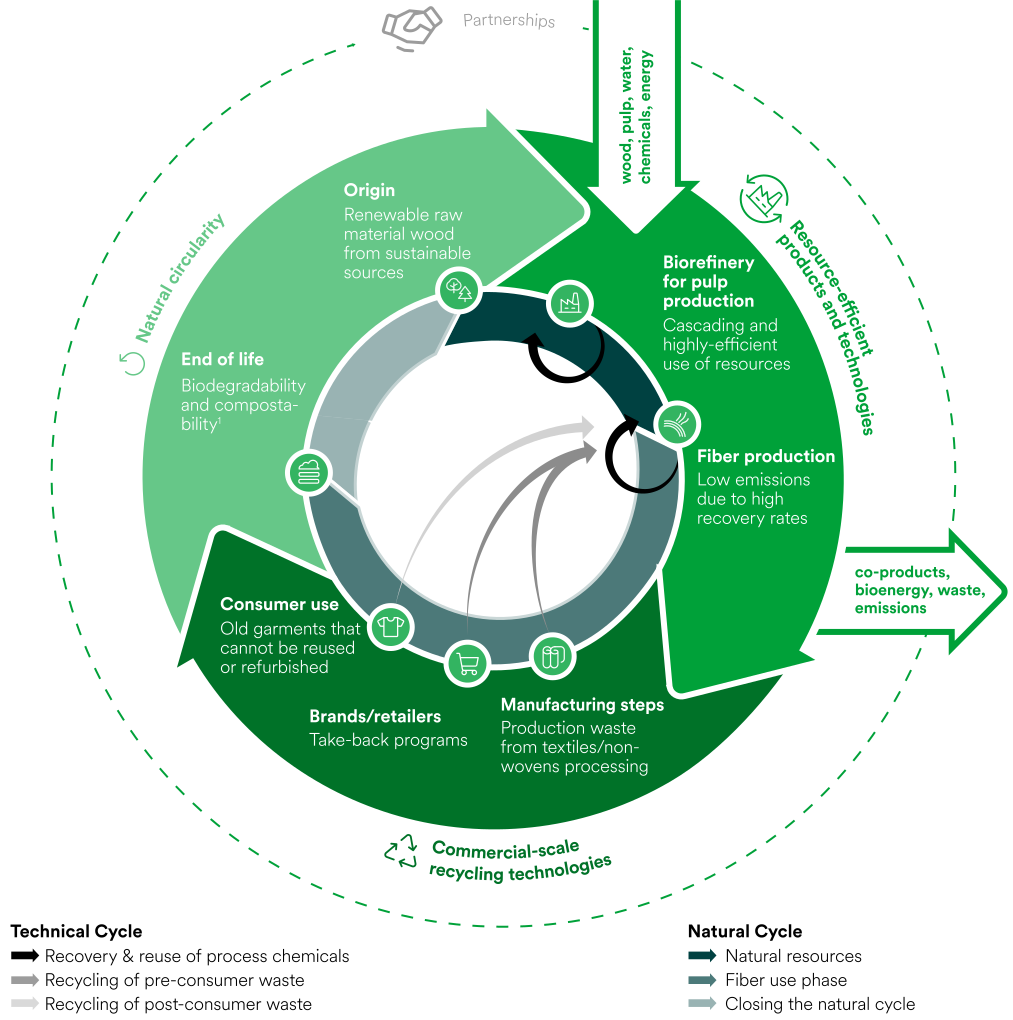
Lenzing pursues its circular vision through three core practices that integrate key elements of the circular economy into its business model (see figure “Circular economy model”). Together, these practices help close material loops by establishing biological and technical cycles. This reduces dependance on virgin resources and supports long-term sustainability.
Natural circularity
Renewable raw materials sourced from sustainable forestry form the basis of Lenzing’s value chain. At the end of their life, most products are designed for biodegradability and are compostable, thereby ensuring the closure of the biological cycle and reducing environmental impact.
Resource-efficient products and technologies
Biorefinery processes convert natural resources efficiently into pulp and co-products through cascading use, while fiber production is characterized by low emissions and high recovery rates. These technologies optimize resource utilization and minimize waste throughout the production processes.
Commercial-scale recycling technologies
At Lenzing’s pulp and fiber sites, advanced technologies recover and reuse process chemicals and fibers, thereby maintaining material circulation within the technical cycle. Production waste from textiles and nonwovens is reintegrated into fiber manufacturing. Partnerships with brands and retailers support take-back programs for post-consumer textiles that feed into chemical recycling.
Circular economy model